Easy Meyer Lemon Curd {using the whole egg}

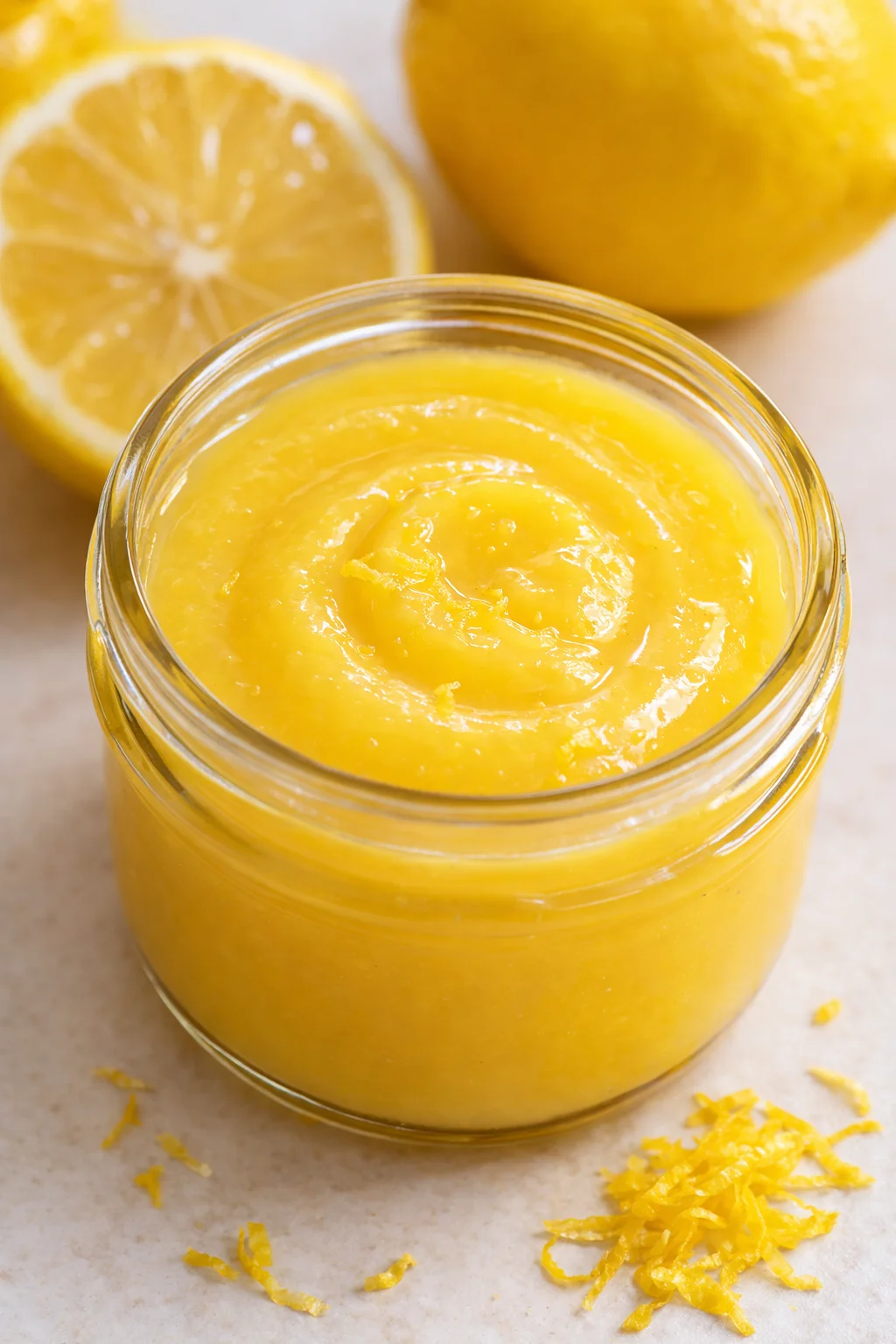
Citrus fruits like lemons are just such a treat, aren’t they? They bring such a fresh, sunshine-y vibe, especially since they show up in the middle of winter when most fruit is out of season. If you try to eat seasonally, you really appreciate that boost. My absolute favorite citrus is the Meyer lemon, and lucky for me, we can grow them here. While I preserve most of our harvest, I always make several batches of Meyer lemon curd to stash in the freezer so we can keep enjoying that bright flavor long after the season ends.
For a little background, Meyer lemons are actually a cross between a mandarin orange and a regular lemon. They were first grown in China and often make beautiful ornamental trees that you can keep in pots — perfect if you have a sunny spot in your home to nurture one.
Compared to the standard lemons like Lisbon or Eureka, Meyers have a thinner skin, are a bit rounder, and tend to be much juicier. Their juice is sweeter and less tart, making them a real crowd-pleaser.
Because Meyer lemons don’t ship well and don’t have a long shelf life, you won’t usually find them in stores year-round like regular lemons.
But here’s the deal: anything you can make with a regular lemon, you can absolutely make with a Meyer lemon — including lemon curd, which is the star of today’s post.
So, what exactly is fruit curd? Think of it as a pudding-like topping made most often from citrus fruits but you can also make it with passionfruit, mango, or berries. It’s the cooking technique that turns simple fruit into something luscious and creamy that we call curd.
Lemon curd is probably the most popular type and it’s traditionally served during afternoon tea alongside cookies. But really, you can use it anywhere you’d normally spread jelly or drizzle syrup — or just dig in with a spoon, no judgment here.
The biggest difference between lemon curd and jelly or syrup is that curd contains eggs — usually just the yolks — giving it a custardy, pudding-like texture rather than a clear jelly.
This Meyer lemon curd really shines because it’s bright, tangy, and just a little sweeter than your typical lemon curd thanks to those beautiful Meyer lemons. It’s perfect eaten straight from the jar but equally amazing as a tart filling or cookie topping. The best part? It only calls for common kitchen tools — you just need a bowl and a pot to make a double boiler setup. Plus, it comes together quickly with simple steps and freezes wonderfully, letting you capture that fresh citrus flavor all year long. Using whole eggs means zero waste, and the finished curd is so versatile: spread it on toast, fill your favorite tarts, dollop it over creamy yogurt, or just spoon it over your favorite cookies.
Bright Flavor, Simple Method
This recipe really highlights what makes Meyer lemons so special — their sunny, sweet citrus zing that’s milder than regular lemons and easy to enjoy. It’s also designed to fit your busy life: straightforward instructions, basic tools, and a freezer-friendly outcome that you can share, gift, or keep in your fridge all week long.
- Perfect Meyer lemon flavor: Their natural sweetness means your curd is bright but not overpowering, great for eating right away or layering in recipes.
- Simple and quick: Minimal tools, just a whisk and a bowl over simmering water — no need for fancy gadgets or complicated steps.
- No wasted eggs: Using whole eggs keeps you from wondering what to do with leftover whites, making things easier and less wasteful.
- Freezer-friendly make-ahead: This recipe fills about three half-pint jars perfect for freezing, so you can enjoy Meyer lemons whenever you want throughout the year.
- Super versatile: Use your curd on toast, as tart filling, dolloped onto yogurt or ice cream, spooned onto cookies, or simply enjoyed by the spoonful.
- Reliable results: Stick to the simple rules — gentle heat, constant stirring, and slow butter addition — and you’ll have smooth, glossy curd every time.
Trust me, make a batch when Meyer lemons are in their prime. You’ll be glad you did when you pull a jar out of the freezer months later for a quick dessert boost or a thoughtful, homemade gift.
Ingredients You’ll Need
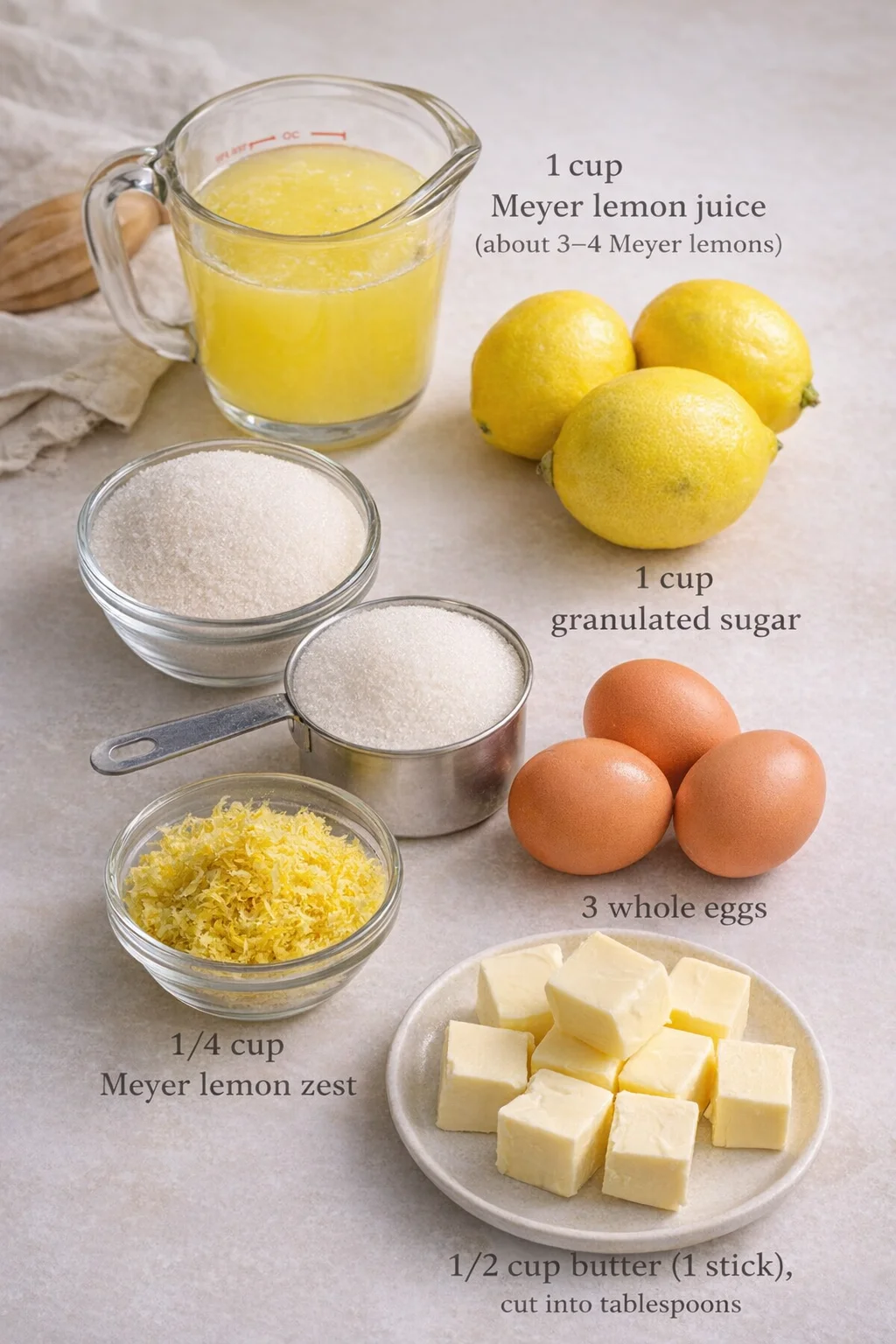
- 1 cup Meyer lemon juice (about 3–4 Meyer lemons)
- 1 cup granulated sugar
- 1/4 cup Meyer lemon zest
- 3 whole eggs
- 1/2 cup butter (1 stick), cut into tablespoons
Make the Curd
- Fill a pot with a couple inches of water and bring to a simmer; set a stainless steel bowl on top so it fits snugly without touching the water to create a double boiler.
- Zest and juice 3–4 Meyer lemons to yield about 1 cup lemon juice and 1/4 cup zest.
- Crack 3 whole eggs into the metal bowl and whisk vigorously until yolks and whites are fully combined with no streaks.
-
Whisk in 1 cup granulated sugar until blended.
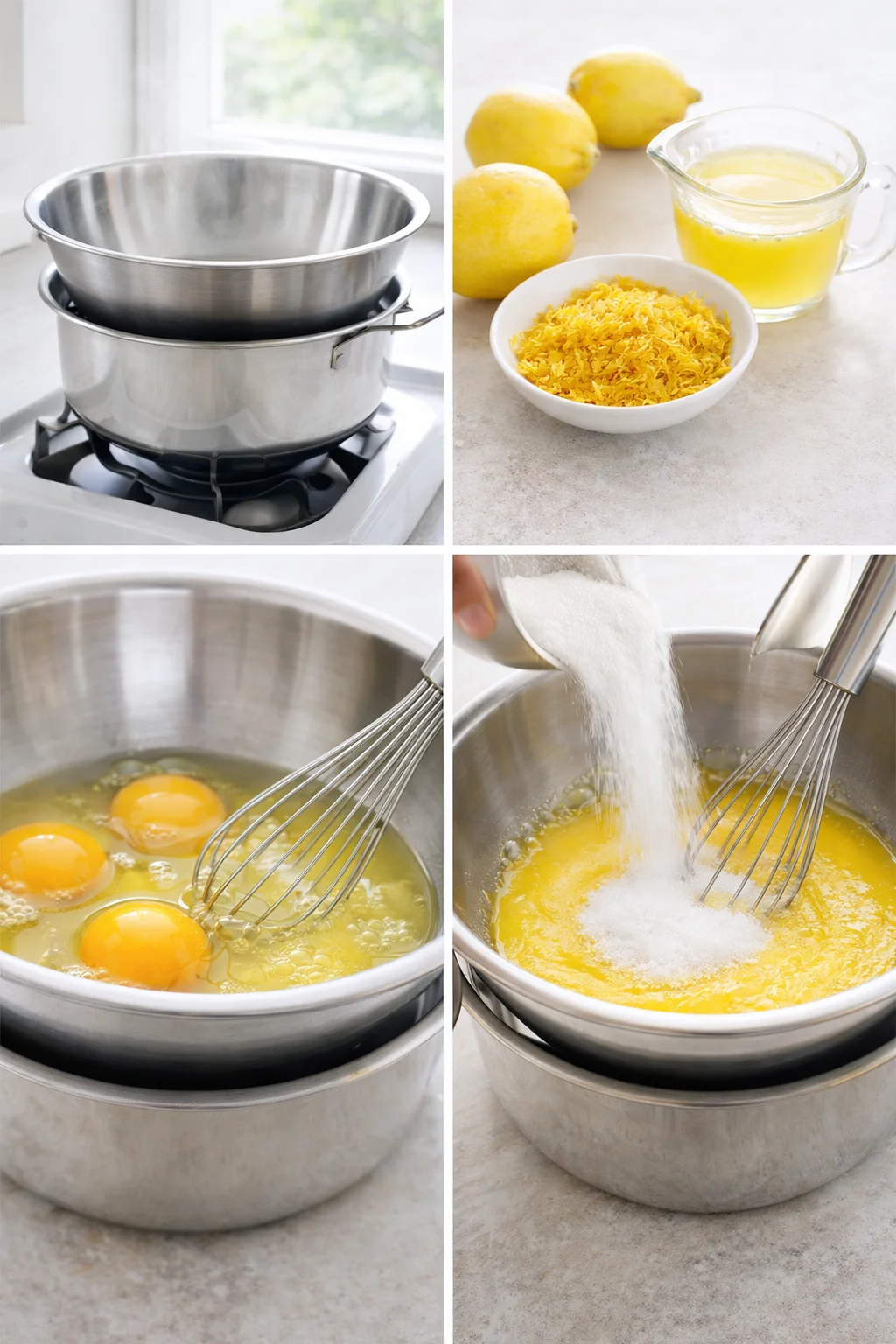
- Whisk in the Meyer lemon juice and zest until smooth.
- Place the bowl over the simmering pot and heat over medium, stirring constantly.
- Cook the mixture, stirring constantly, until it thickly coats the back of a wooden spoon or reaches about 160°F on a thermometer.
-
Optional: spoon a little onto a chilled plate — if it thickens and wrinkles as it cools, the curd is ready.
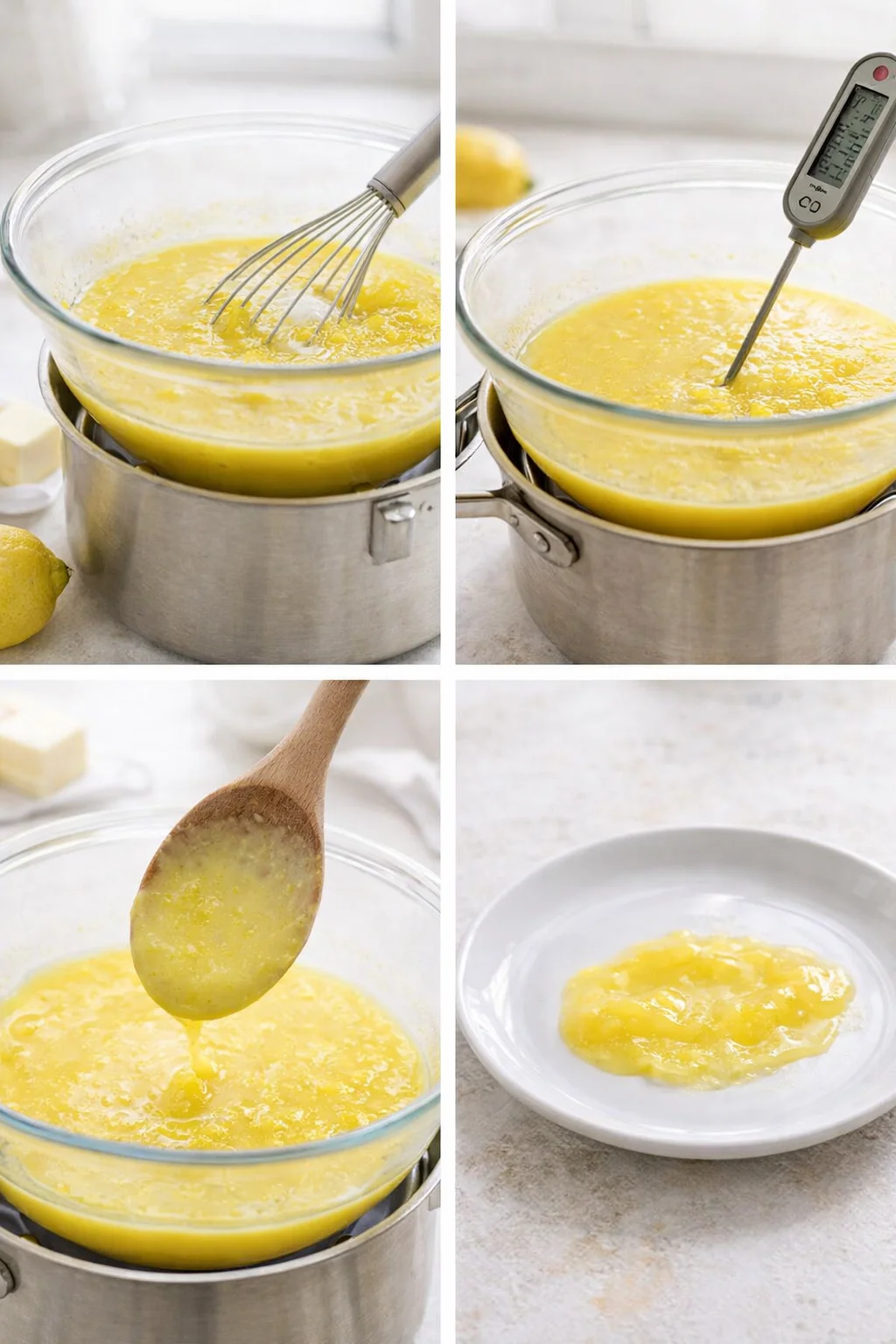
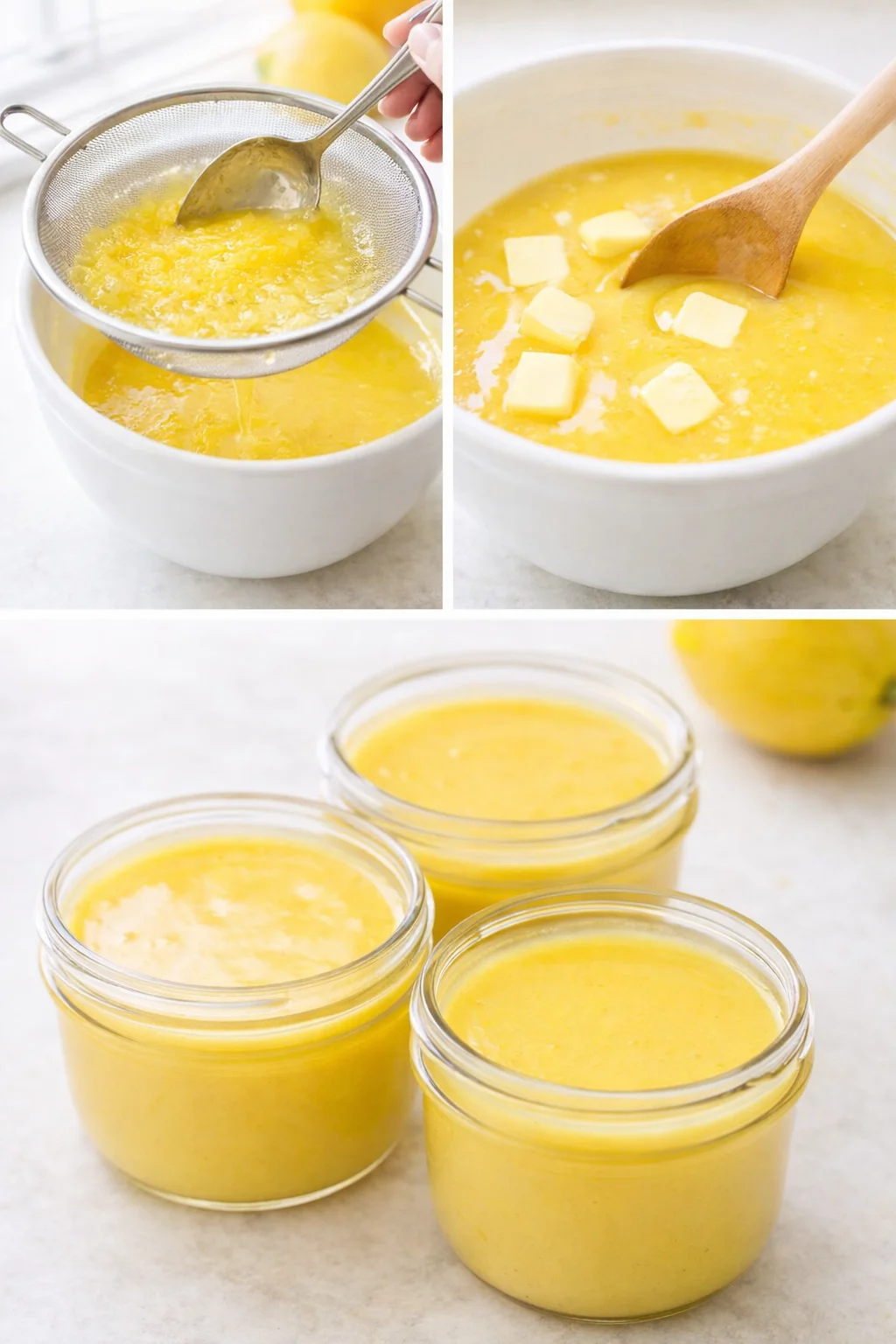
- If desired, strain the curd through a fine-mesh sieve or blend briefly to remove zest or any lumps.
- Stir in 1/2 cup butter (1 stick) one tablespoon at a time, stirring until each piece is fully melted and the curd is glossy.
-
Pour the finished curd into jars and allow to cool completely.
Pro Tips and Serving Ideas
- Heat slowly over simmering water and never let the mixture boil — high heat scrambles the eggs and ruins the curd’s creamy texture.
- Whisk eggs thoroughly to fully blend yolks and whites; this keeps lumps at bay and ensures a smooth curd.
- Keep stirring constantly while the curd cooks, aiming for it to thicken enough to coat a wooden spoon or reach about 160°F on a thermometer.
- Use the cold plate test: a bit of curd on a chilled plate should firm up as it cools, confirming it’s ready.
- Add butter gradually — one tablespoon at a time — stirring until fully melted and combined for a smooth, glossy finish.
- If you want a completely smooth curd without zest, strain it through a fine mesh sieve or blend gently with an immersion blender.
- Let your jars cool completely before sealing, then store in the fridge for up to a week or freeze for up to a year. Leave room at the top of jars to prevent cracking in the freezer.
- If you’re canning for shelf-stable storage, follow the National Center for Home Food Preservation’s guidelines and use bottled lemon juice with standardized acidity.
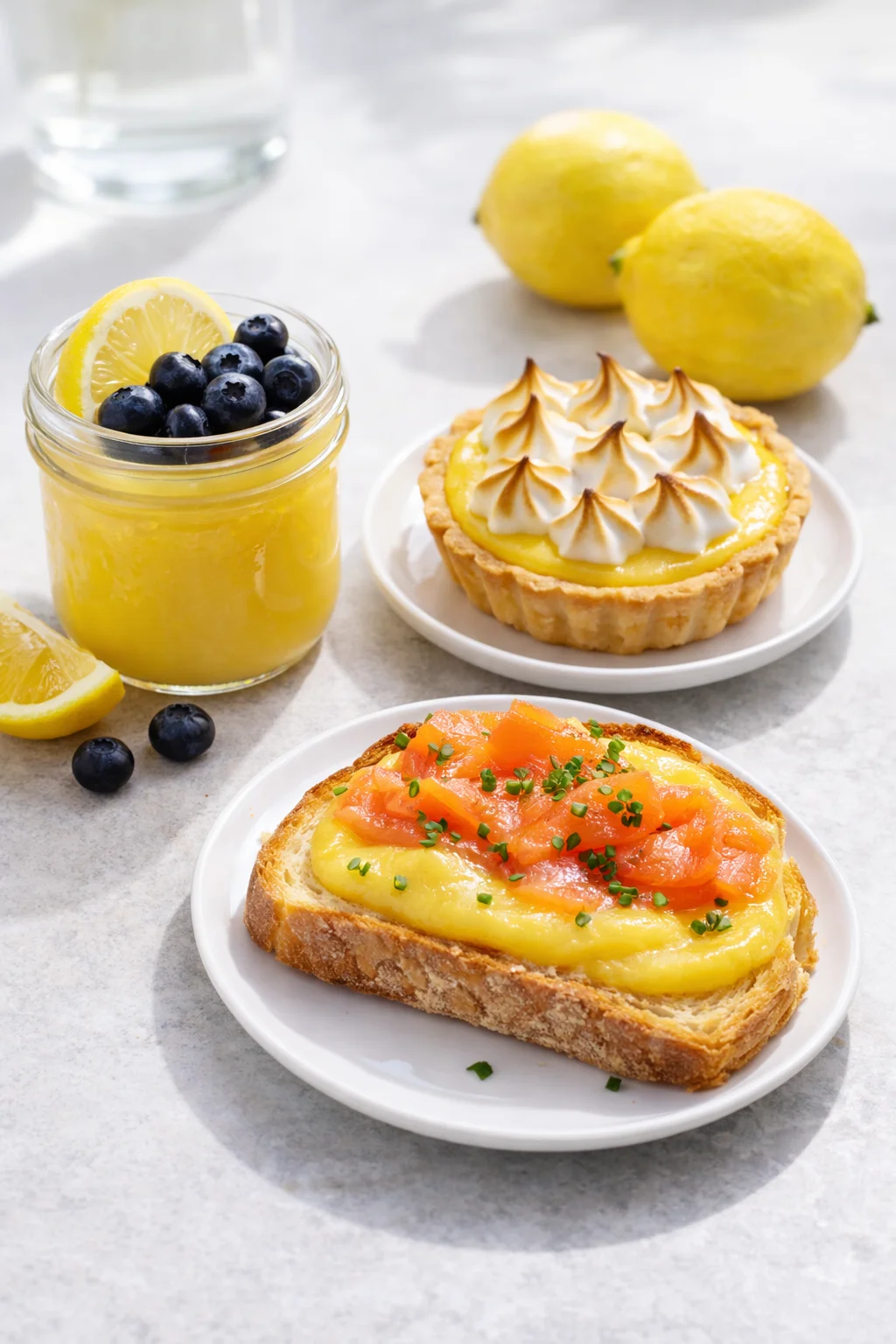
Meyer lemon curd is incredibly versatile when it comes to serving. Spread it on warm toast or English muffins for a bright breakfast treat. Use it as a luscious filling for a no-bake lemon tart, cupcakes, or layer it between cake layers of a moist lemon cake. Dollop a spoonful on top of Greek yogurt or a bowl of vanilla ice cream for a fresh citrusy contrast. It’s also delicious spread on cookies or scones — or heck, grab a spoon and enjoy it straight from the jar on a tough day! It pairs beautifully with berries, whipped cream, or even a little fresh mint for added freshness.
Flavor Variations and Swaps
- Regular lemon curd: If you can’t find Meyer lemons, swap in regular lemons for a zestier, more tart curd.
- Yolk-only curd: Use just egg yolks for a richer, silkier texture. Save the whites for meringues, omelets, or other recipes.
- Other citrus or fruit: Try making this curd with lime, orange, or passionfruit juice for new fruity twists – just adjust sugar based on how tart your chosen fruit is.
- Flavor kick: Stir in a teaspoon of vanilla extract, a splash of limoncello, or a pinch of freshly grated ginger for a subtle, exciting twist.
- Dairy-free option: Swap out butter for solid coconut oil (same amount) to make a dairy-free version with a hint of coconut aroma.
- Less sweet: If you prefer a tarter curd, ease up on the sugar a bit — just reduce gradually so you keep the right balance and texture.
Want to mix things up? This lemon curd base is super flexible. Swap Meyer lemons for regular lemons for a more classic tartness (think homemade lemon pie), or use other citrus like lime or orange for a fun twist. For a tropical flair, try passionfruit or mango juice instead. You can also stir in a splash of vanilla, a spoonful of limoncello, or a pinch of ground ginger to give the curd extra depth. For those avoiding dairy, swap butter for coconut oil — it’s a lovely swap, though the coconut flavor might peek through. Finally, tweak the sugar to suit your sweetness preference, but remember to adjust slowly for the best balance and texture.
Storage, Canning, and Freezing
You can actually preserve lemon curd by canning following the National Center for Home Food Preservation. But heads up — there are some important things to know.
Generally, putting eggs in canned goods isn’t advised. But lemon curd is acidic enough that it’s an exception to that rule. The NC Home Food Preservation folks recommend using bottled lemon juice only when canning because it’s standardized for acidity. Since I love using fresh Meyer lemon juice, I prefer to skip canning and stick to freezing or refrigerating.
Also, canned lemon curd is only shelf-stable for a few months. According to the experts:
“For best quality, store in a cool, dark place away from light. Use canned lemon curd within 3 to 4 months. Browning or separation may happen with longer storage; discard if you notice these changes.”
So if you want to can lemon curd, go for it — just plan to use bottled lemon juice and know it’s best fresh within a few months. Otherwise, freezing is a great option for fresh lemon juice and longer storage.
If you love the nitty-gritty science, you can check out their detailed tests on recipe tweaks and processing times. It’s fascinating reading if you’re a preservation nerd like me.
Tried this recipe? Please leave a ⭐️⭐️⭐️⭐️⭐️ star rating in the recipe card below and/or drop a review in the comments. Your feedback totally makes my day and helps others find this recipe. Plus, save it for later by pinning or hit the heart icon in the lower right corner!
Ingredients
- 1 cup Meyer lemon juice
- 1 cup sugar
- 1/4 cup Meyer lemon zest
- 3 eggs
- 1/2 cup butter (1 stick)
Instructions
- Fill a pot with water to create a double boiler setup. If you don’t have a double boiler, simply use a stainless steel bowl over the pot as the top half.
- Zest and juice three Meyer lemons. If you need more, add a fourth lemon until you have about 1 cup of juice and 1/4 cup zest.
- Crack the eggs into a metal bowl and whisk vigorously until the yolks and whites are fully combined with no streaks.
- Add sugar to the eggs and whisk to blend completely.
- Stir in the Meyer lemon juice and zest, whisking again until smooth.
- Place the bowl over the pot of simmering water and heat over medium.
- Cook the mixture, stirring constantly, until it thickens and coats the back of a wooden spoon — about 160°F.
- Once thickened, add the butter in tablespoons, stirring well after each addition until fully melted.
- Pour the finished curd into three half-pint canning jars.
- Allow the jars to cool completely.
- Seal jars with lids and label.
- Store in the refrigerator for up to one week or freeze for up to one year.
- When frozen, thaw the curd in the refrigerator before using.
Meyer lemon curd keeps wonderfully both in the fridge and freezer. Store it refrigerated in airtight jars or containers for up to one week — perfect if you plan a dessert or breakfast in the next few days. For longer storage, freezing is your friend. Freeze your curd in small jars or freezer-safe containers, leaving a little room at the top for expansion. Frozen lemon curd can last up to a year. When you’re ready to use it, just move it to the refrigerator the night before and let it thaw slowly to keep that rich, creamy texture.
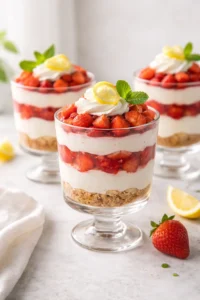
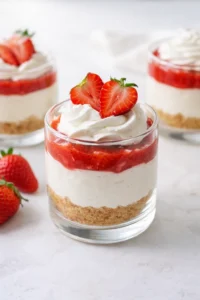
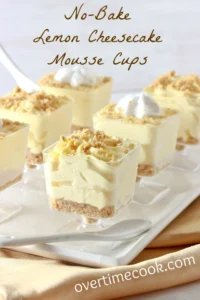
This recipe is a champion for make-ahead cooking. You can whip up a batch when Meyer lemons are plentiful, then portion and stash the curd in your freezer. That way, you have homemade lemon flavor ready to brighten everything from toast to a Lemon Ginger Tart anytime you want — or spooned over an easy no-bake cheesecake — without the hassle. Plus, it makes an awesome homemade gift — just add a cute label and tie on a ribbon. So satisfying to give and receive!
Answers to Common Questions
- Can I use regular lemons instead of Meyer lemons? Absolutely! Regular lemons give a brighter, more tart curd. If you want it less tart, just add a bit more sugar.
- Why do you use whole eggs instead of just yolks? Using whole eggs means no leftover whites to worry about, and your curd comes out a tad lighter. For a richer, silkier texture, you can use only yolks, but it’s extra work.
- How do I know when the curd is done? It’s ready when it reaches about 160°F or thickly coats the back of a spoon—aim for a nappe consistency similar to the custardy layer in classic lemon bars. You can also do the cold plate test — a drop on a chilled plate should thicken and wrinkle as it cools.
- Can I can lemon curd for shelf stability? You can, but the National Center for Home Food Preservation recommends only using bottled lemon juice standardized for acidity. Plus, canned curd is best used within a few months, so if you’re using fresh Meyer juice, stick to chilling or freezing.
- How long does lemon curd keep? In the fridge, up to one week; in the freezer, up to a year. Always thaw frozen curd in the fridge for several hours before serving.
- What if my curd has lumps or feels grainy? This usually means the eggs cooked too fast or weren’t whisked fully. You can strain the curd through a fine mesh sieve or blend it a bit with an immersion blender for smoothness.
- Can I make lemon curd in the microwave or with direct heat instead of a double boiler? Using a double boiler or a bowl over gently simmering water is safest. Direct heat risks scrambling the eggs, so if you try it, keep the heat very low, stir constantly, and watch the temperature closely.
- What’s the best way to zest Meyer lemons? Use a microplane or fine grater to zest just the colorful outer layer; avoid the white pith underneath, which is bitter.
- Can I double the recipe? Yes! Feel free to double or triple the ingredients, but use a larger bowl and pot to give you plenty of space for stirring. A bigger batch is perfect for filling a quick tart—pair your curd with an easy graham cracker crust.
- Why is my lemon curd too runny? It probably needs more cooking time — keep stirring gently until it thickens. You can also cook a bit longer for firmness, but watch carefully to avoid curdling.
- What if my curd starts to scramble? Remove it from heat immediately and whisk vigorously to smooth it out. If bits remain, strain it through a sieve.
- Can I use frozen Meyer lemons? Fresh is best for zest and juice, but if you have frozen lemons, thaw completely before zesting and juicing. Flavor might be slightly less vibrant.
- Is lemon curd safe to eat right away? It’s best to cook it fully to 160°F to ensure the eggs are safe. Once cooled, it’s ready to enjoy.
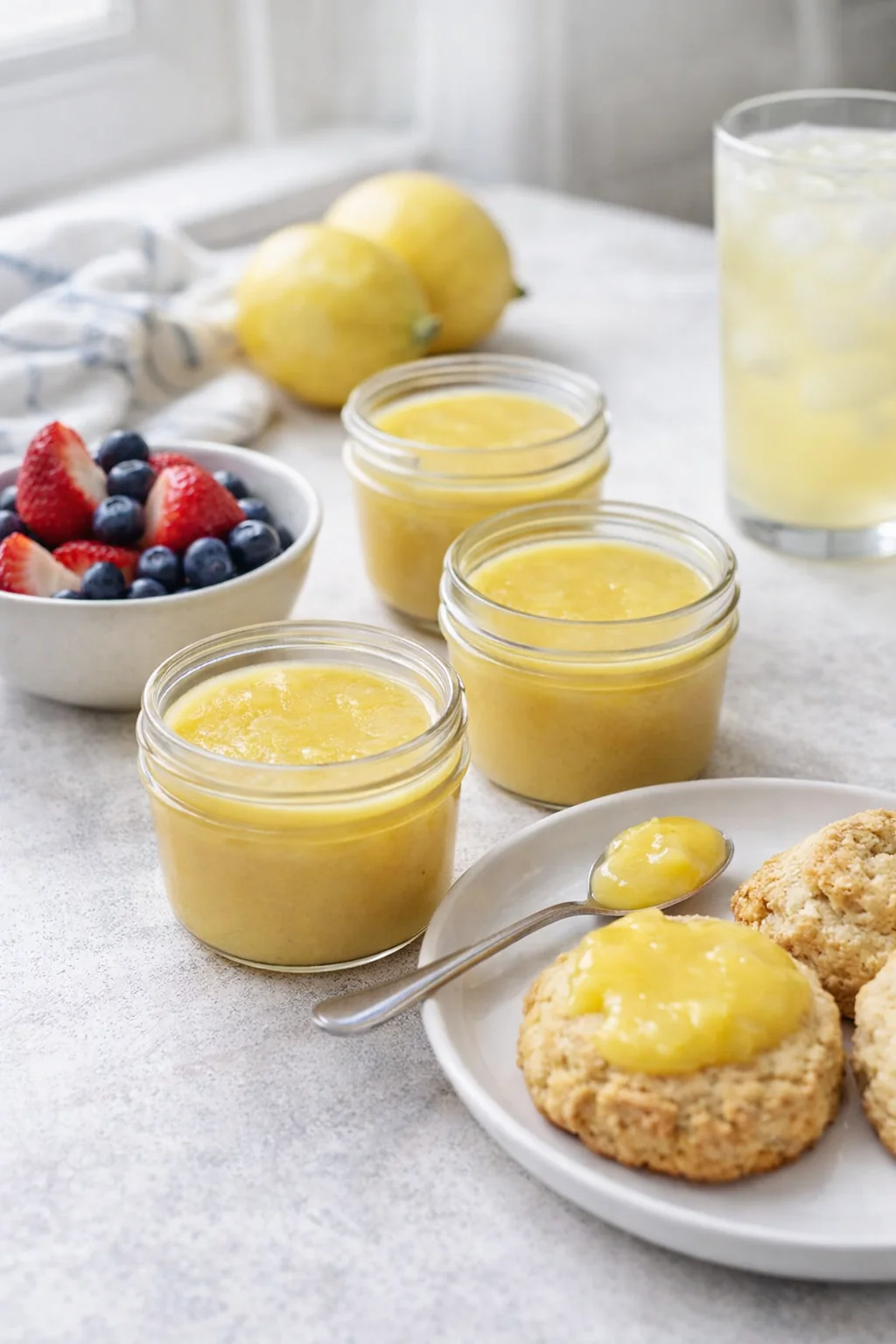
Bright and tangy Meyer Lemon Curd using whole eggs, featuring a creamy, custardy texture perfect for spreading, filling, or topping. This recipe highlights the sweet, mild flavor of Meyer lemons and is freezer-friendly for year-round enjoyment.
- Prep Time: 10 minutes
- Cook Time: 15 minutes
- Total Time: 25 minutes
- Yield: About 3 half-pint jars (approximately 2 cups total) 1x
- Category: Condiment
- Cuisine: American
Ingredients
- 1 cup Meyer lemon juice (about 3–4 Meyer lemons)
- 1 cup granulated sugar
- 1/4 cup Meyer lemon zest
- 3 whole eggs
- 1/2 cup butter (1 stick), cut into tablespoons
Instructions
- Fill a pot with a couple inches of water and bring to a simmer; place a stainless steel bowl on top to create a double boiler, ensuring the bowl doesn’t touch the water.
- Zest and juice 3–4 Meyer lemons to yield about 1 cup lemon juice and 1/4 cup zest.
- Crack 3 whole eggs into the metal bowl and whisk vigorously until yolks and whites are fully combined with no streaks.
- Whisk in 1 cup granulated sugar until blended.
- Whisk in the Meyer lemon juice and zest until smooth.
- Place the bowl over the simmering pot and heat over medium, stirring constantly.
- Cook the mixture, stirring constantly, until it thickly coats the back of a wooden spoon or reaches about 160°F on a thermometer (about 10-15 minutes).
- Optionally, spoon a little onto a chilled plate; if it thickens and wrinkles as it cools, the curd is ready.
- If desired, strain the curd through a fine-mesh sieve or blend briefly to remove zest or any lumps.
- Stir in 1/2 cup butter (1 stick) one tablespoon at a time, stirring until each piece is fully melted and the curd is glossy.
- Pour the finished curd into three half-pint canning jars and allow to cool completely.
- Seal jars with lids and label.
- Store in the refrigerator for up to one week or freeze for up to one year. When frozen, thaw in the refrigerator before using.
Notes
Use a double boiler or gentle heat to avoid scrambling the eggs; never let the mixture boil., Constant stirring is essential for a smooth texture and even cooking., Whole eggs are used to reduce waste and produce a lighter curd, but for a richer curd, use only yolks (3 yolks)., Adjust sugar to taste if substituting other citrus fruits (lime, orange, passionfruit) or regular lemons., Butter can be substituted with coconut oil for a dairy-free version, noting a slight coconut flavor., The curd is versatile: great on toast, as tart filling, dolloped on yogurt or ice cream, or spooned onto cookies/scones., For smoothest texture, strain through a fine mesh sieve after cooking., Ensure jars cool completely before sealing to prevent condensation., Do not can with fresh lemon juice unless following strict preservation guidelines; for canning use bottled lemon juice standardized for acidity.
Nutrition
- Serving Size: 2 tablespoons
- Calories: Approx. 120 kcal per 2 tablespoon serving
- Fat: 7 g per serving
- Carbohydrates: 15 g per serving
- Protein: 2 g per serving
More in Cupcakes