Best High-Protein Smoothie Recipes for Weight Loss

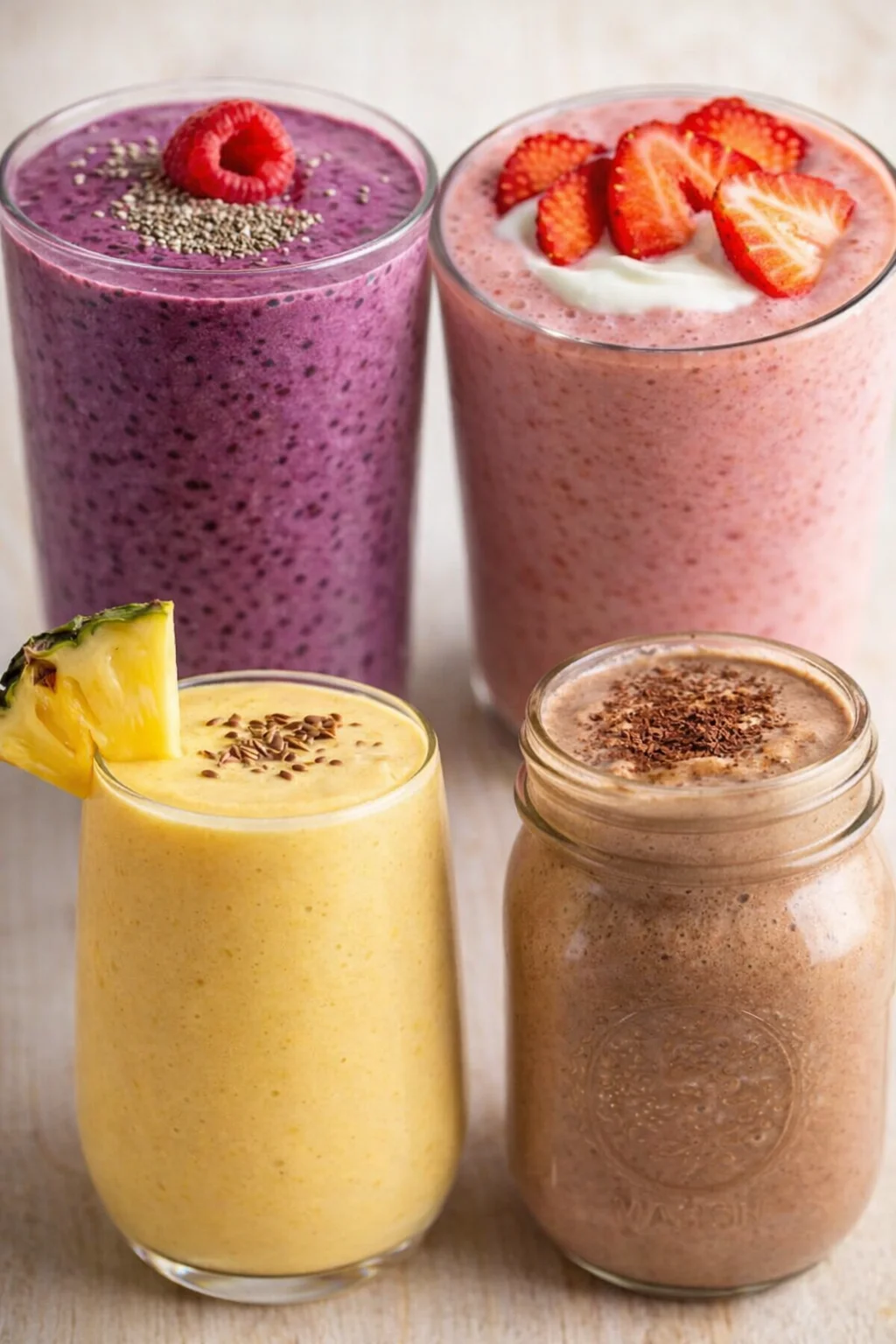
Want a simple, delicious way to support your weight loss without feeling like you’re missing out? This post is here to show you how high-protein smoothies can keep you full, help maintain your muscle, and make healthy eating a breeze and fun.
Inside, you’ll find seven easy-to-make recipes, each with a clear ingredient list and nutrition info. I’ll also cover must-have smoothie staples, simple step-by-step blending tips, smart tweaks for different diets like vegan or low-carb, plus storage and make-ahead advice. The goal? Each smoothie delivers 20–30 grams of protein per serving to keep you satisfied and support muscle health.
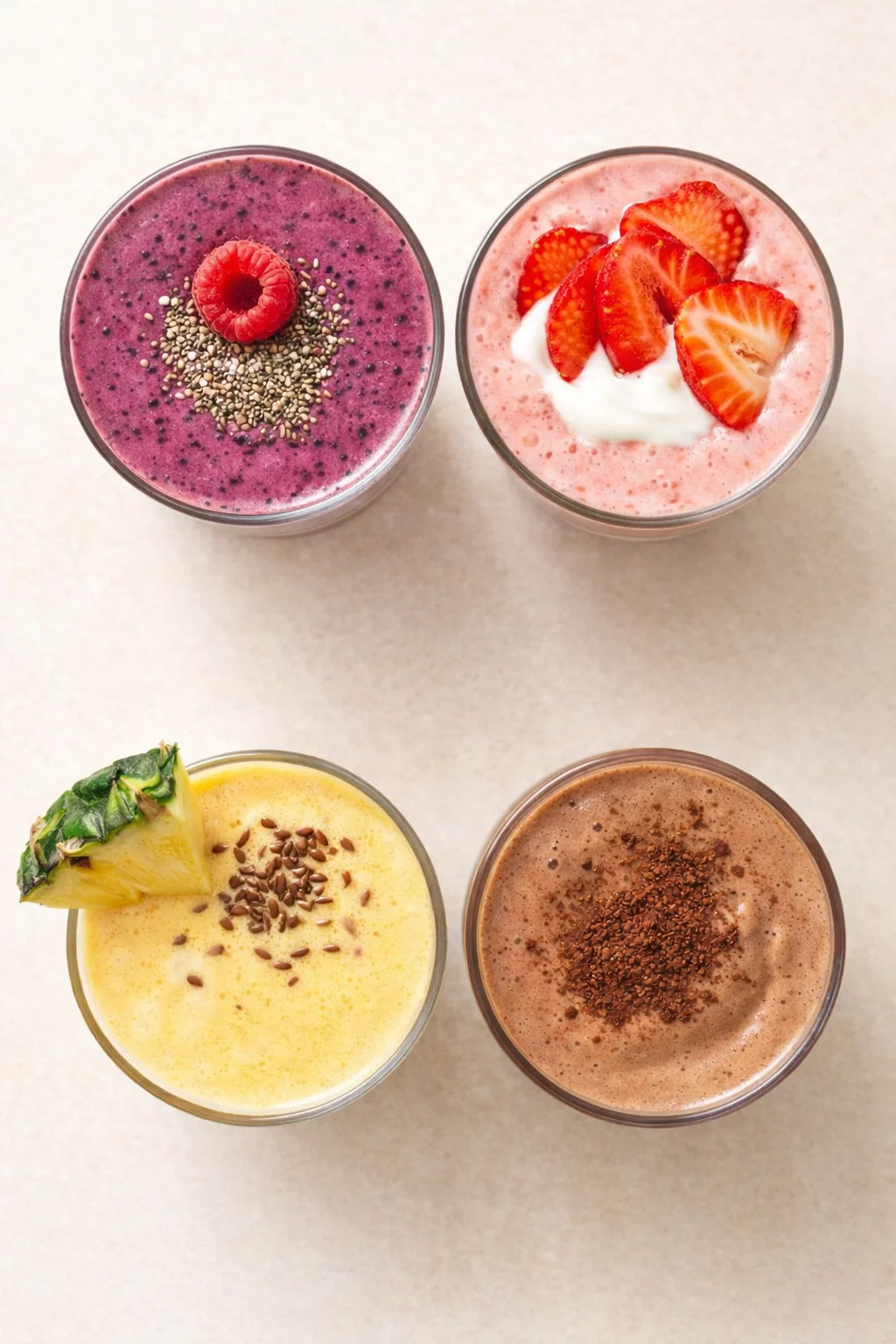
- What you’ll get: quick, tasty blends like Berry Blast and Chocolate Peanut Butter Dream, all balanced for weight loss.
- How to make them: straightforward prep and blending tips so your smoothies come out creamy and smooth every time.
- How to adjust them: easy swaps for dairy-free, lower-carb, or more filling meal options tailored to your needs.
- Bonus info: shopping lists, storage hacks, and answers to your top smoothie questions so you can feel confident making them part of your routine.
Excited to get started? Pick a recipe that sounds good and use the tips here to tweak it until it feels just right for you.
Benefits for Weight Loss and Muscle
Looking for a tasty, satisfying, and easy way to drop a few pounds? High-protein smoothies are your new best friend on any weight loss journey. These creamy drinks keep hunger at bay, support lean muscle, and make healthy eating something to look forward to.
Whether you’ve blended before or are just starting, this guide is packed with everything from delicious recipes you’ll love to simple tips for success.
Why High-Protein Smoothies Are a Weight Loss Must-Have
Before diving into the recipes, let’s chat about why these protein-rich smoothies are a great addition to your weight loss groove.
1. Keeps You Feeling Full Longer
Protein is the real hunger buster that sticks around. Adding these smoothies to your day helps cut cravings and keep your calorie goals on track.
2. Fuels Lean Muscle Growth
Whether you’re working out or just staying active, protein helps build and protect lean muscle. More muscle means you burn more calories—even when you’re resting! That’s a win for weight loss.
3. Convenient and Customizable
No time to cook? No problem! Smoothies come together fast, travel well, and you can mix them up to suit your taste and nutritional needs perfectly.
4. Packed with Nutrients
Loading your smoothie with fruits, veggies, and good fats means you’re fueling your body with vitamins and minerals, all without sacrificing flavor.
In short, regular high-protein smoothies are a smart, enjoyable tool to keep you feeling satisfied and consistent—two essentials for lasting weight loss success.
Key Ingredients for an Effective Weight Loss Smoothie
The magic is in the mix! Here’s what you want to include in every smoothie for the best balance.
Protein Sources
Pump up the protein with these options:
- Protein powders like whey, soy, pea, or almond
- Greek yogurt for creaminess and protein
- Silken tofu for a smooth vegan boost
- Nut butters—think almond, peanut, or cashew—for healthy fats and protein
Pro Tip: Target 20 to 30 grams of protein per smoothie to get the full benefits. For a lighter peanut butter flavor with fewer calories, try the Best High-Protein PB Powder Smoothie.
Low-Glycemic Fruits
For sweetness that won’t flare blood sugar, go for:
- Berries like blueberries, raspberries, or strawberries
- Green apple for a crisp touch
- Cherries for a bright pop of flavor
- Kiwi for a bit of tropical zing
Leafy Greens & Veggies
Sneak in fiber and nutrients without the veggie taste overload:
- Spinach blends gently and mild
- Kale adds earthy nutrition
- Cucumber keeps things fresh and juicy
- Zucchini for creamy texture without changing flavor
These blend in nicely without overpowering the taste. If you want a non-smoothie way to enjoy similar ingredients, try this Strawberry Avocado Spinach Salad with Poppyseed Dressing that layers spinach, strawberries, and avocado for a balanced, fiber-rich meal.
Healthy Fats
Add smoothness and extra staying power with:
- Creamy avocado—try it paired with cottage cheese in this Creamy Avocado Cottage Cheese Dip
- Chia seeds for fiber and omega-3s
- Flaxseed for earthiness and nutrients
- A touch of coconut oil for richness
Liquid Base
Pick your favorite liquid to blend it all up:
- Almond, oat milk, or coconut water for lighter bases
- Unsweetened regular milk for a classic creaminess
- Water if you want a lighter, thinner smoothie
Flavor Enhancers
Want that little extra? Try adding:
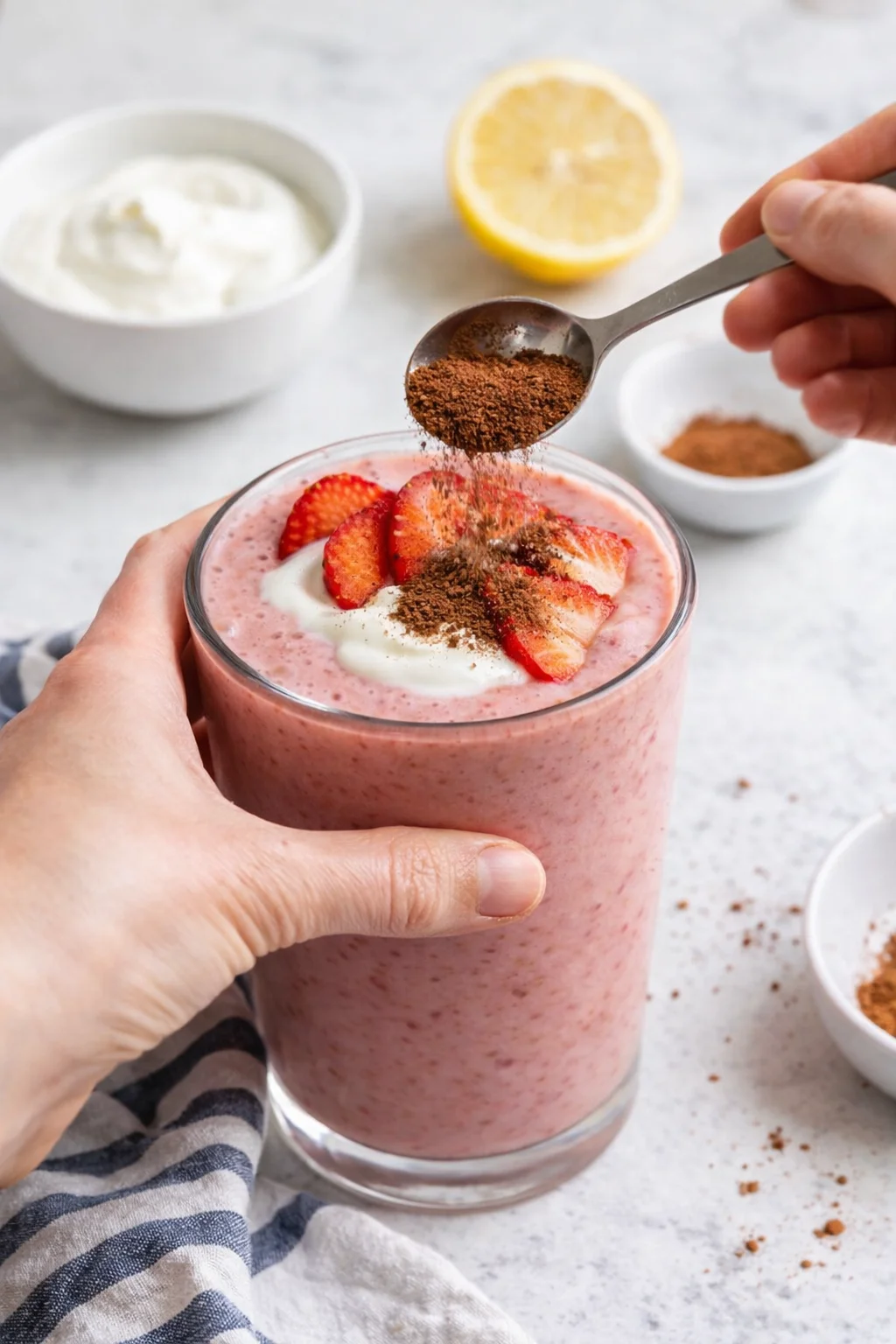
- Cinnamon for a warm, cozy touch
- Vanilla extract for sweet, rich flavor
- Unsweetened cocoa powder for chocolate lovers
Final Sip of Inspiration
Losing weight doesn’t have to mean boring food or feeling restricted. Adding these high-protein smoothies into your daily plan sets you up for success with meals that taste great and keep you on track.
From the fruity Berry Blast to the rich and nutty Chocolate Peanut Butter Dream, every sip is a simple step toward your health goals.
And guess what? There’s so much room to play and find your personal favorite combo! So grab that blender and enjoy the journey.
Essential Ingredients and Easy Swaps
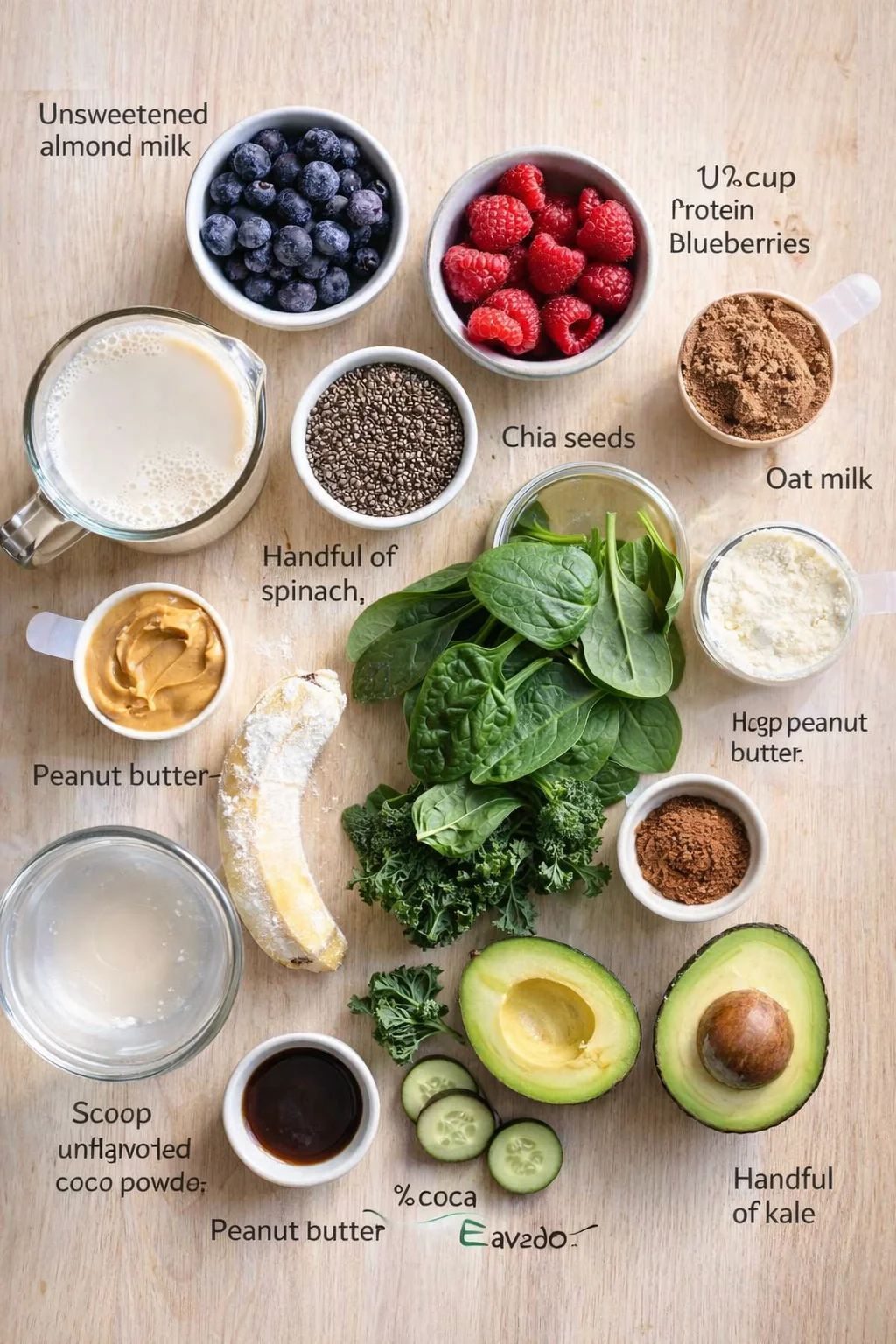
- 1 cup unsweetened almond milk
- 1 scoop vanilla protein powder
- 1/2 cup frozen blueberries
- 1/4 cup raspberries
- 1 tbsp chia seeds
- Handful of spinach
- 1 cup oat milk
- 1 scoop chocolate protein powder
- 1 tbsp peanut butter
- 1/2 frozen banana
- 1 tsp unsweetened cocoa powder
- 1 cup coconut water
- 1 scoop unflavored protein powder
- 1/2 avocado
- 1/4 cucumber
- Handful of kale
- Juice of 1/2 lemon
- 1 cup unsweetened almond milk
- 1 scoop strawberry protein powder
- 1/2 cup fresh strawberries
- 1/2 frozen banana
- 2 tbsp Greek yogurt
- 1 cup coconut milk
- 1 scoop vanilla protein powder
- 1/2 cup frozen mango chunks
- 1/4 cup pineapple
- 1 tbsp flaxseed
- 1 cup almond milk
- 1 scoop coffee-flavored protein powder
- 1/4 cup brewed coffee (chilled)
- 1 tbsp almond butter
- 1 tsp cinnamon
- 1 cup unsweetened oat milk
- 1 scoop vanilla protein powder
- 1 tsp matcha powder
- 1/2 banana
- Handful of spinach
Blending Steps for Best Results
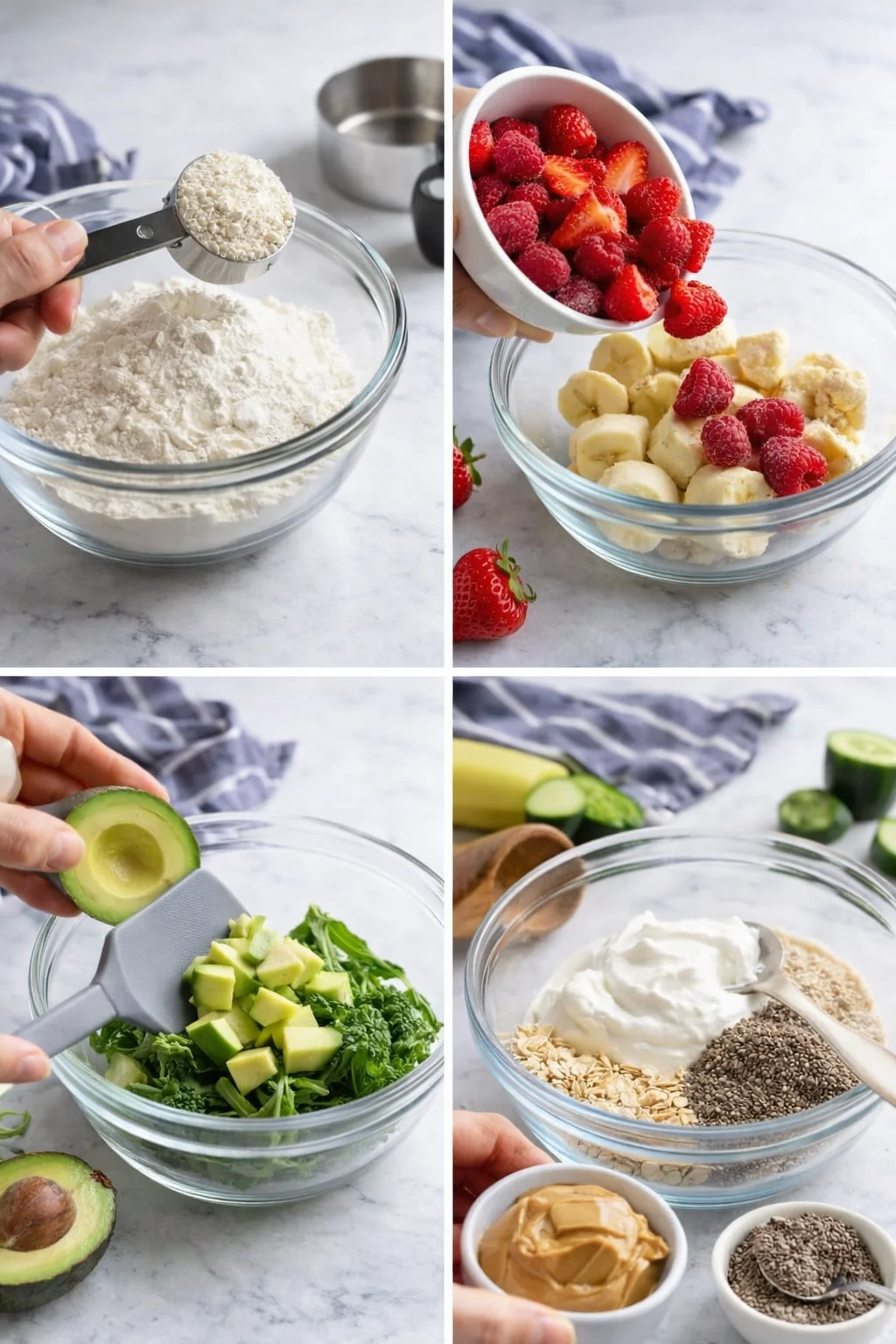
- Measure protein to provide 20–30 grams per serving.
- Portion out fruit, using frozen fruit for thickness; slice and freeze ripe bananas ahead if using.
- Wash and prep leafy greens and vegetables; peel or chop avocado, cucumber, or zucchini as needed.
-
Scoop and portion seeds, nut butters, Greek yogurt, oats, or other add-ins.
- Chill brewed coffee or matcha liquid before using if your recipe includes them.
- Layer ingredients in the blender starting with liquids.
- Add protein powder or yogurt on top of the liquids.
-
Add soft ingredients like banana and avocado next.
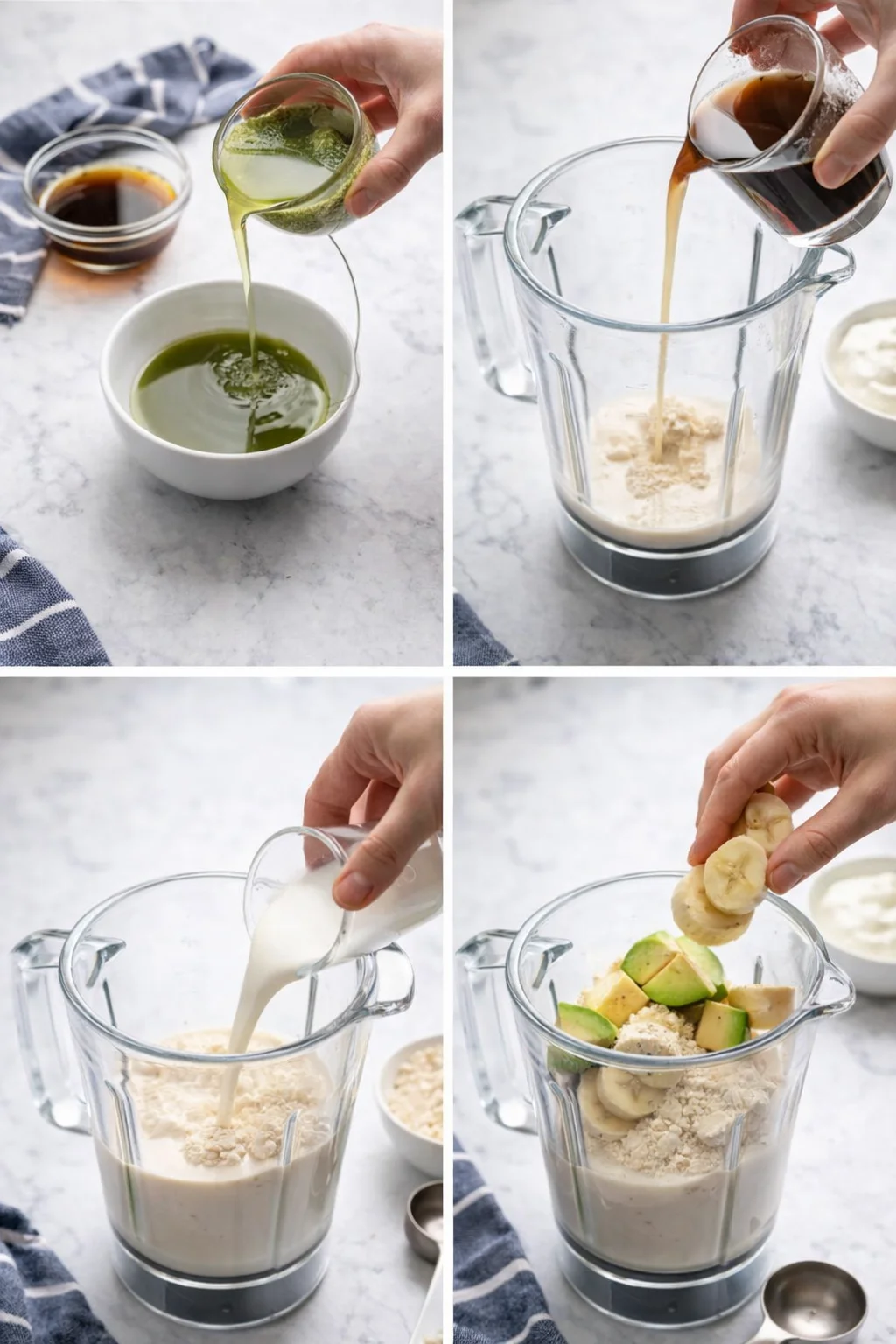
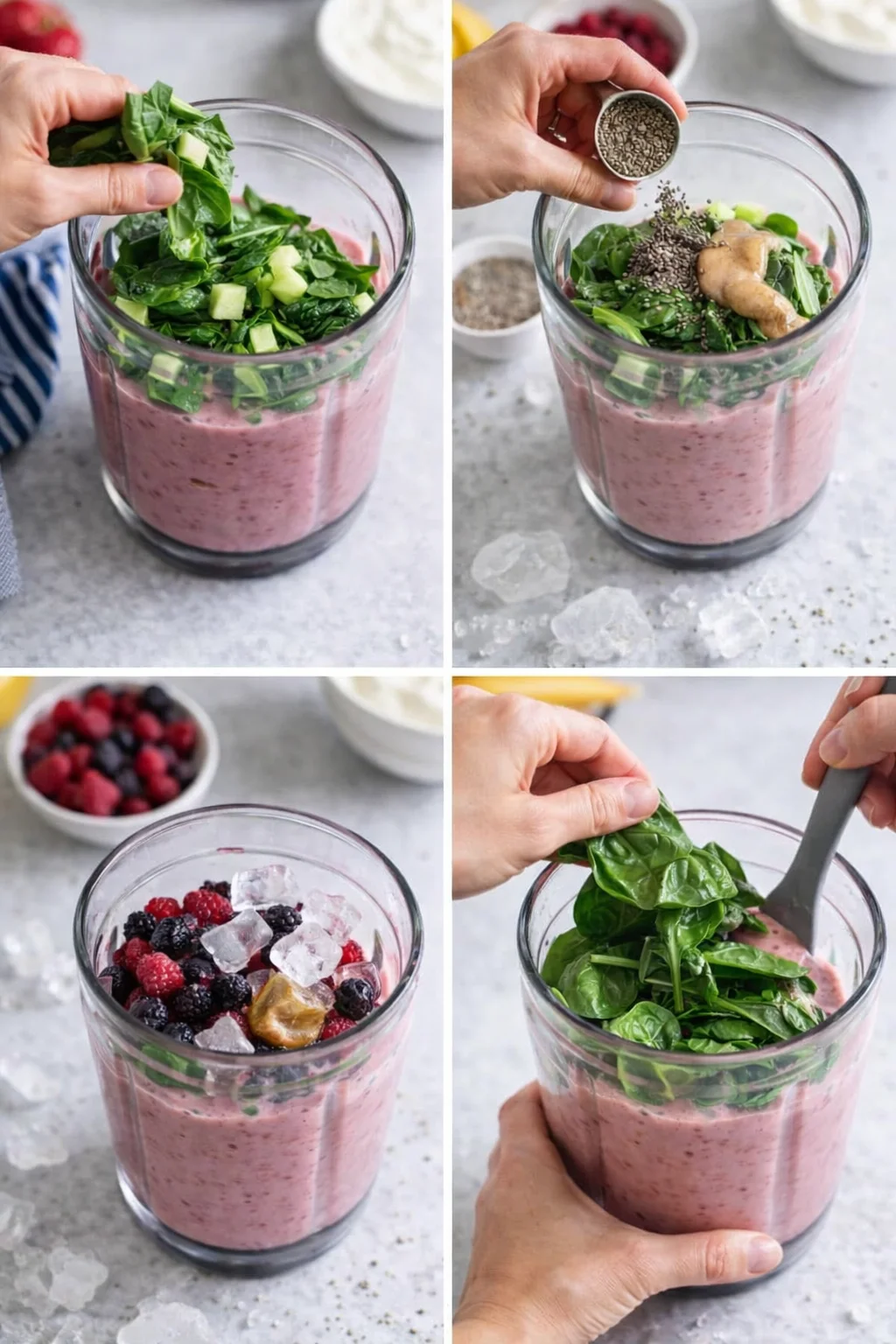
- Add leafy greens and veggies after soft additions.
- Add seeds and nut butters following the greens.
- Finish by adding frozen fruit or ice on top.
-
If using tender greens like spinach and you want brighter color/flavor, add them near the end and blend just briefly.
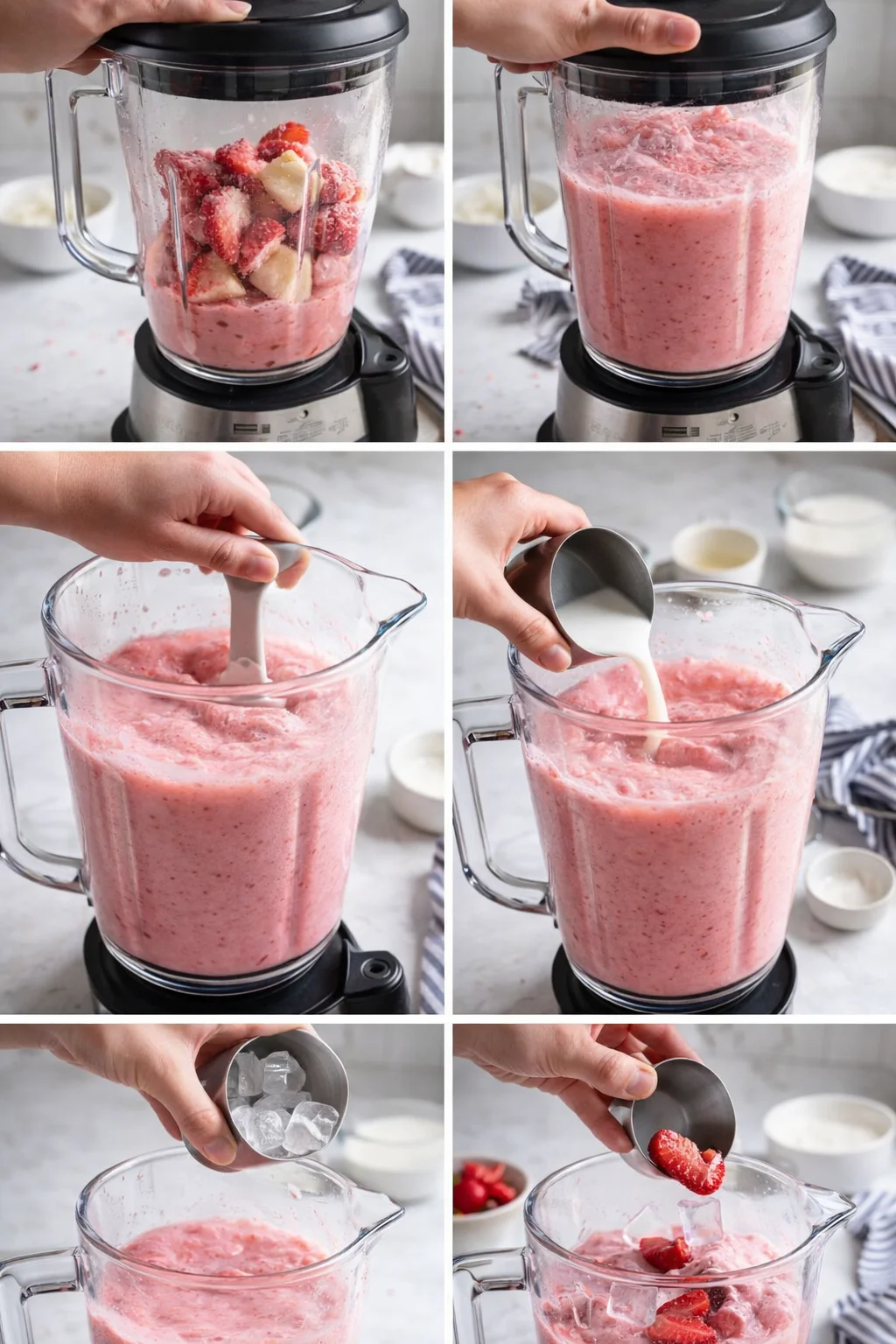
- If your blender struggles with frozen chunks, pulse first to break them up before blending fully.
- Blend on high for 30–60 seconds until smooth, pausing to scrape down the sides once or twice if needed.
- If the smoothie is too thick, add 1–3 tablespoons of liquid and blend again.
-
If the smoothie is too thin, add ice cubes or more frozen fruit and blend to thicken.
-
Taste and adjust flavor with a squeeze of lemon, cinnamon, vanilla, or cocoa; limit added sweeteners.
Pro Tips for Creamy, Low-Sugar Smoothies
- Pick unsweetened milks and protein powders to keep added sugars and calories in check.
- Freeze ripe bananas in slices ahead of time so they add natural sweetness and creaminess without any extra sugar.
- Measure out calorie-dense add-ins carefully — nut butters, avocado, and coconut milk are nutritious, but calories add up quickly.
- If your blender has a hard time, try pulsing first to break up frozen chunks before blending fully.
- To keep your smoothie fresh-looking and nutritious longer, fill jars close to the top when refrigerating to slow down oxidation.
- Add tender greens like spinach last and blend just a bit if you want brighter flavors and color.
- Use a tall, narrow blender jar for quicker, smoother results with smaller batches.
- If your recipe includes coffee or matcha, brew (or whisk) and chill it before blending to avoid watering down your smoothie with ice later; for a smooth, chilled tea base, see how to make a mango sticky rice matcha latte.
Diet-Friendly Swaps and Add-Ins
- Vegan? Swap out whey and Greek yogurt for pea or soy protein powder or silken tofu and use plant-based milks like almond, oat, or soy.
- Want low-carb? Choose berries, leafy greens, unsweetened almond milk, and leave out higher-carb fruits like banana or mango.
- Need a meal replacement? Stir in 2–3 tablespoons of oats or an extra scoop of protein powder and use whole milk or coconut milk for more calories and extra satisfaction.
- Post-workout recovery? Add quick carbs like a small banana or pineapple, paired with 20–30 grams of protein for muscle rebuilding.
- Love tropical flavors? Swap berries with mango and pineapple and blend in coconut water or coconut milk.
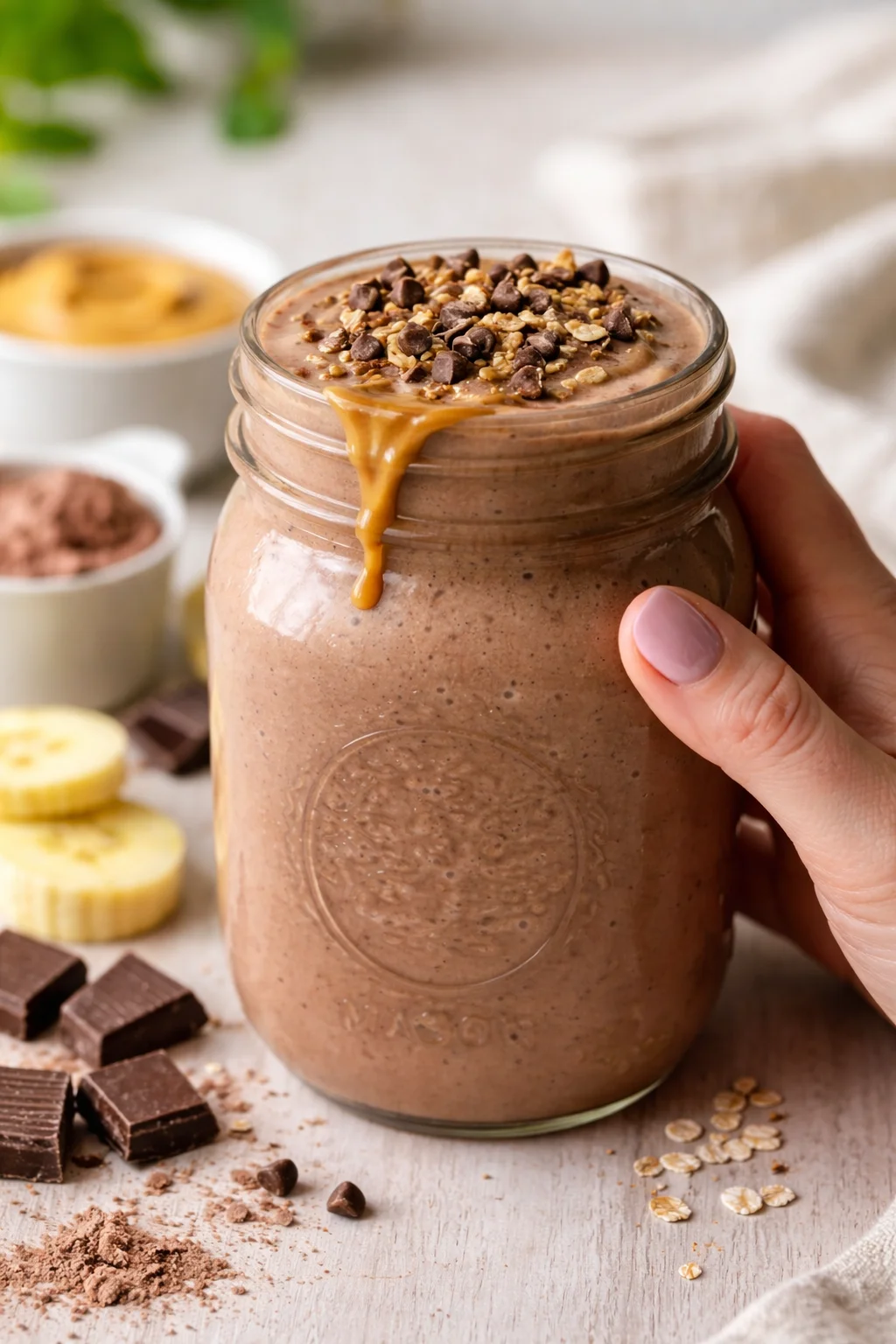
- Craving dessert? Use chocolate protein powder, cocoa powder, and a spoonful of peanut butter to satisfy your sweet tooth without losing protein.
Storage, Freezing, and Thawing Tips
Taking care of your smoothie after blending means better flavor and texture later on.
- In the fridge: store in a tightly sealed container or jar and drink within 24 hours for the best taste and nutrient punch. It can last up to 48 hours but expect some color change, especially if there are greens.
- Freezing: pour your smoothie into freezer-safe containers or ice cube trays and freeze for up to one month. When you’re ready, thaw in the fridge overnight and give it a quick re-blend for smoothness.
- Make-ahead kits: prep and freeze dry ingredients like fruit, greens, and seeds in single-serve bags. In the morning, just add your liquid and protein powder and blend fresh.
- Avoid reheating smoothies. Warmed smoothies lose their creamy texture and some nutrients — re-blend chilled or bring to room temperature if needed instead.
Answers to Common Questions
- How much protein per smoothie? Aim for 20–30 grams each to stay satisfied and support muscle maintenance while losing weight.
- Can I use frozen fruit? Absolutely! Frozen fruit thickens your smoothie and removes the need for extra ice, while keeping nutrients intact.
- Will smoothies spike my blood sugar? Not if you choose low-glycemic fruits like berries and green apples, include protein and fiber from seeds, yogurt, and greens, and avoid sugary add-ins like macerated strawberries.
- Can a smoothie replace a meal? Yes, as long as it contains enough calories, balanced protein, carbs, healthy fats, and fiber — typically around 300–500 calories and 20–30 grams of protein; on non-smoothie days, a balanced plate like this grilled strawberry chicken salad can hit the same marks.
- Why do my smoothies separate in the fridge? That’s normal! Heavier parts settle at the bottom — just shake or re-blend before drinking.
- Are these recipes good for weight loss? Absolutely! These smoothies are packed with protein and nutrients to help you feel full and protect muscle while you slim down on a calorie-controlled plan. On non-smoothie days, anchor your menu with a protein-forward entrée like air fryer salmon to keep meals satisfying and balanced.
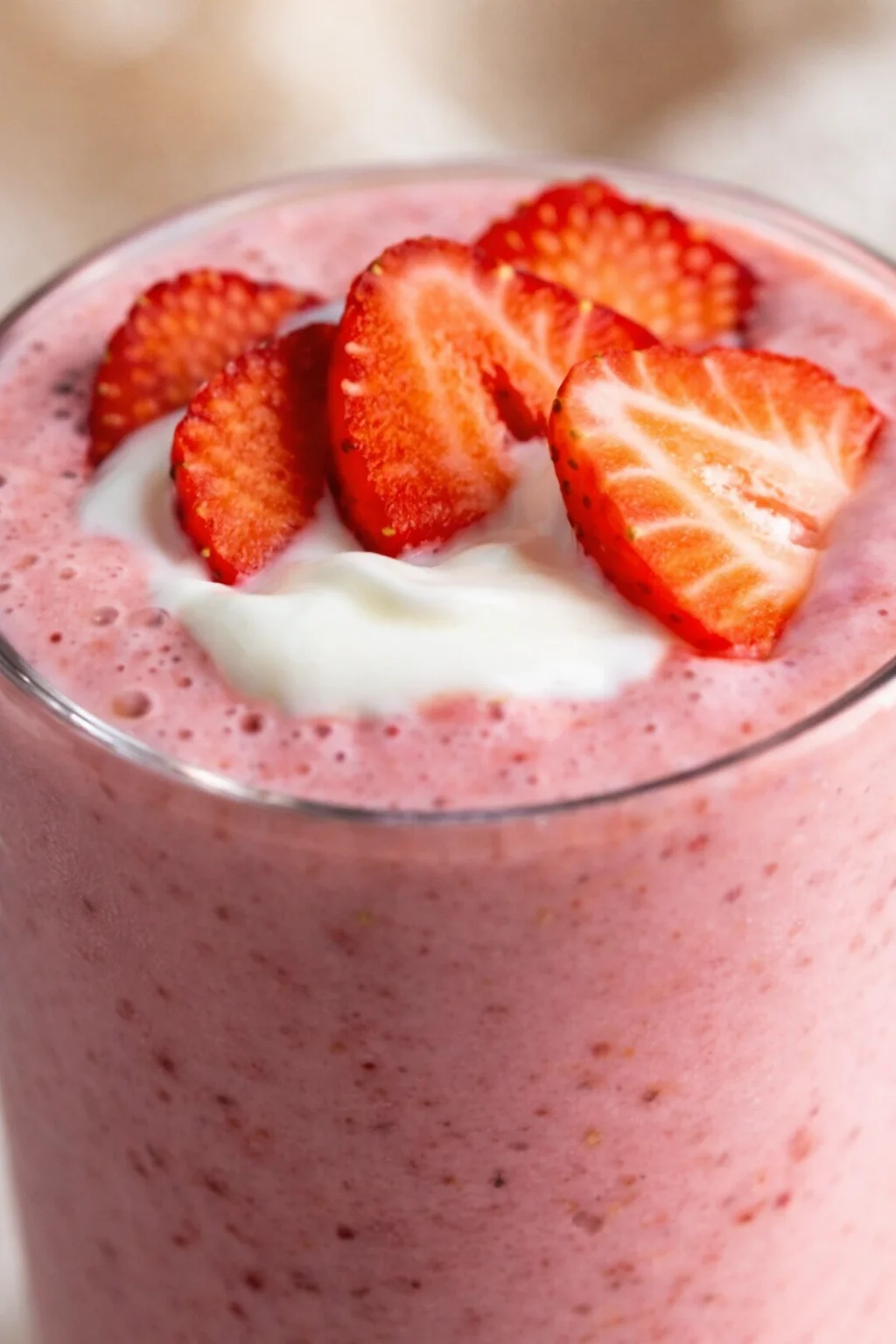
A high-protein smoothie made with berries, chia seeds, spinach, and vanilla protein powder blended with unsweetened almond milk for a delicious and satisfying meal.
- Prep Time: 5 minutes
- Cook Time: 0 minutes
- Total Time: 5 minutes
- Yield: 1 serving 1x
- Category: Beverage
Ingredients
- 1 cup unsweetened almond milk
- 1 scoop vanilla protein powder
- 1/2 cup frozen blueberries
- 1/4 cup raspberries
- 1 tbsp chia seeds
- Handful of spinach
Instructions
- Measure protein to provide 20–30 grams per serving.
- Portion out fruit, using frozen fruit for thickness; slice and freeze ripe bananas ahead if using.
- Wash and prep leafy greens and vegetables; peel or chop avocado, cucumber, or zucchini as needed.
- Scoop and portion seeds, nut butters, Greek yogurt, oats, or other add-ins.
- If recipe includes brewed coffee or matcha, chill before use.
- Layer ingredients in the blender starting with liquids.
- Add protein powder or yogurt on top of the liquids.
- Add soft ingredients like banana and avocado next.
- Add leafy greens and veggies after soft additions.
- Add seeds and nut butters following the greens.
- Finish by adding frozen fruit or ice on top.
- If using tender greens like spinach and you want brighter color/flavor, add them near the end and blend briefly.
- If blender struggles with frozen chunks, pulse first to break them up before blending fully.
- Blend on high for 30–60 seconds until smooth, pausing to scrape down the sides as needed.
- If smoothie is too thick, add 1–3 tablespoons of liquid and blend again.
- If smoothie is too thin, add ice cubes or more frozen fruit to thicken.
- Taste and adjust flavor with a squeeze of lemon, cinnamon, vanilla, or cocoa; limit added sweeteners.
Notes
Pick unsweetened milks and protein powders to keep added sugars and calories in check., Freeze ripe bananas in slices for natural sweetness and creaminess without added sugar., Measure calorie-dense add-ins carefully as nut butters, avocado, and coconut milk add calories quickly., If blender struggles with frozen chunks, pulse first before blending fully., Store smoothies in tightly sealed containers and consume within 24 hours for best taste and nutrients., Freeze smoothies for up to one month; thaw in fridge overnight and re-blend for smoothness., Make-ahead kits by prepping and freezing dry ingredients in single-serve bags; blend fresh with liquid and protein powder., Avoid reheating smoothies to maintain creamy texture and nutrients.
Nutrition
- Serving Size: 1 smoothie (approximately 12-16 oz)
- Calories: 200 calories per serving
- Fat: 6g per serving
- Carbohydrates: 10g per serving
- Protein: 23g per serving
More in Uncategorized
Crock Pot Chicken and Rice Recipe
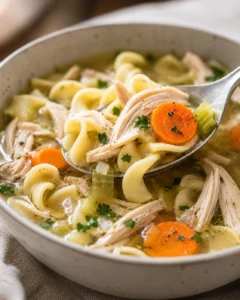
Crock-Pot Chicken Noodle Soup
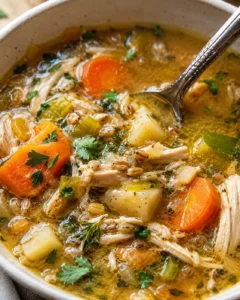
Slow Cooker Hearty Chicken Soup.