Coconut Buttercream Frosting – Creamy Homemade Coconut Icing – Emma’s Cake Studio

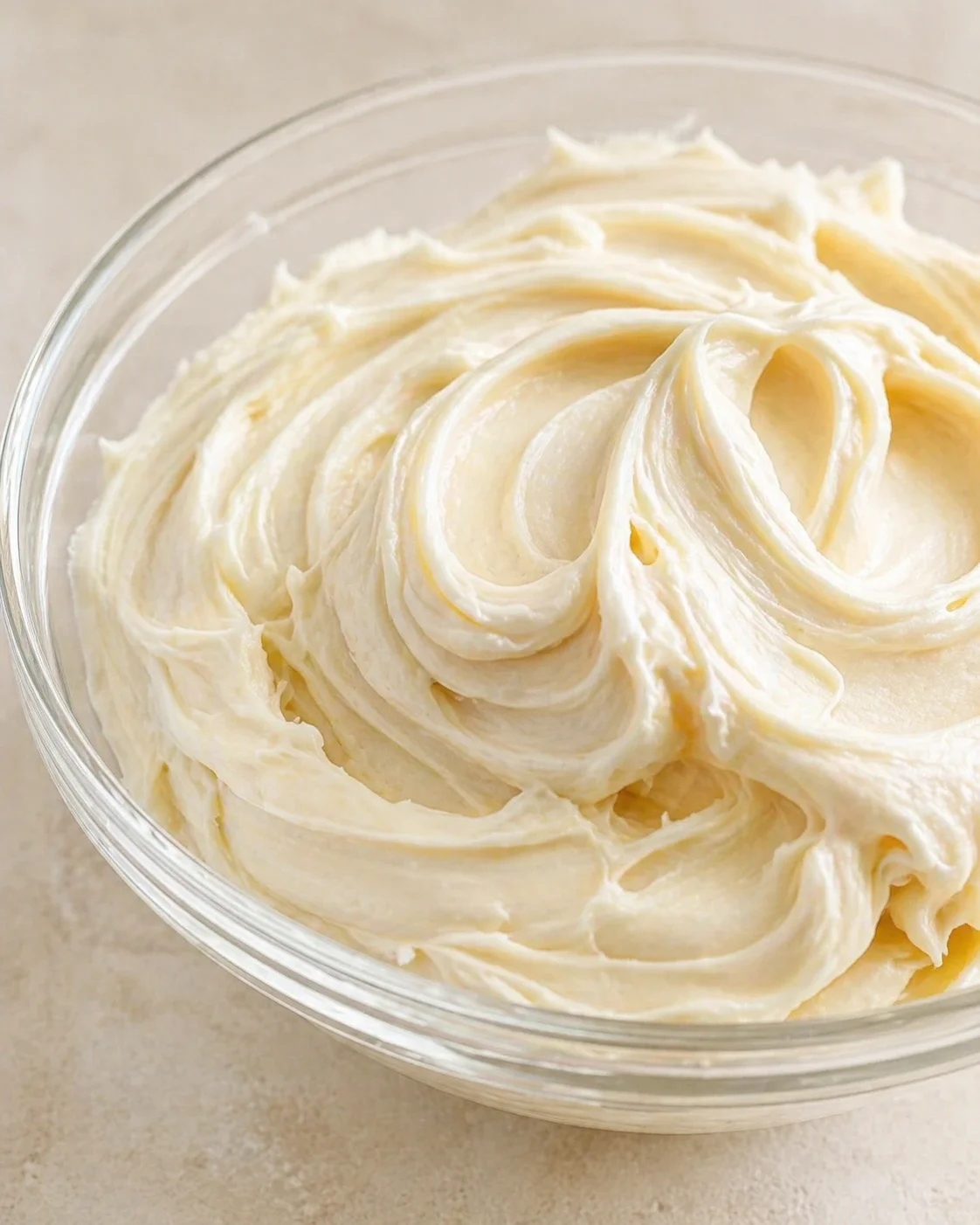
This coconut buttercream frosting is super smooth and fluffy, made from butter, powdered sugar, creamy coconut milk, and a splash of coconut extract. It’s the perfect coconut frosting recipe that’s easy enough for beginners but still strong and tasty enough for layered cakes, cupcakes, and all kinds of coconut desserts that need a reliable, delicious finish.
I reach for this homemade coconut frosting whenever I want a real coconut flavor without anything too heavy. The frosting turns out creamy and light, yet stable enough to pipe neatly or spread smoothly with control.
This recipe uses a simple, trusty ratio: 1 cup butter to 4 cups powdered sugar. That balance gives you sweet, stable icing that pipes well and holds its shape with pretty ridges and swirls.
I always cream the butter fully for three minutes — trust me, that extra time makes all the difference. Adding air gives you that soft, whipped texture, not a dense, heavy frosting.
Using full-fat coconut milk adds great flavor and moisture without thinning things out too much. Usually, 2 tablespoons do the trick to get that perfect consistency. Such a small detail, but it really counts!
Sometimes, when I want an extra-light touch on a layered cake, I add a whipped cream layer alongside this buttercream. The buttercream gives the structure, and the whipped cream adds a fluffy softness.
Unsalted butter is my go-to base because it carries the coconut flavor beautifully. I look for butter that’s firm but still soft enough to cream easily—too soft and the frosting won’t hold up well.
Powdered sugar sweetens and thickens all at once. I always sift it to avoid lumps because nothing wrecks a smooth pipe job like little sugar bits showing up.
Full-fat coconut milk brings a rich depth you just can’t get with water or regular milk. Coconut extract really punches up the flavor, and a bit of vanilla rounds it all out so your frosting tastes balanced and never sharp.
And yes, don’t skip the pinch of salt — it keeps that sweetness in check perfectly. If you want a different texture, sometimes I switch to marshmallow frosting for that stretch and shine instead of structure.
Coconut extract is the real star here — it gives the frosting its signature punch. Coconut milk adds lovely background flavor, but extract sharpens it and brings clarity.
I start by adding 1 teaspoon of extract, then taste and add a tiny extra splash—around a quarter teaspoon—to boost the aroma without drowning the butter flavor.
Go for quality coconut extract. I always pick pure versions because imitations tend to taste flat or a little bitter, and that off taste can linger.
If you’re after a light, truly coconut-forward buttercream that pipes beautifully and holds up under layers, you’ve found the right recipe. This frosting uses a simple foundation — unsalted butter, sifted powdered sugar, rich full-fat coconut milk, and aromatic coconut extract — all built on a reliable 1 cup butter to 4 cups powdered sugar ratio for just the right mix of sweetness and structure.
I’ll guide you through why creaming the butter for a full three minutes, carefully measuring coconut milk (about 2 tablespoons), and finishing off with a high-speed whip is key to getting that airy, perfect texture. You’ll end up with a frosting that’s creamy and spreadable but holds its shape nicely for pretty ridges and swirls.
Below, you’ll find the full recipe with ingredients and timing, easy-to-follow steps, troubleshooting advice, professional tips for texture and piping, some tasty flavor twists (like swapping in coconut cream or folding in shredded coconut), plus handy make-ahead and storage tips to keep the frosting ready whenever you need it. Prep is quick — about 15 minutes — so you’ll be frosting away in no time!
What Makes It So Good
This coconut buttercream nails authentic coconut flavor while staying light, silky, and firm enough to pipe and layer like a pro. It’s a straightforward recipe based on a simple, dependable ratio and easy techniques that make it beginner-friendly but strong enough for gorgeous cakes and cupcakes.
- True coconut flavor: full-fat coconut milk combined with coconut extract gives a fresh, bright coconut taste without heaviness.
- Whipped, pipeable texture: well-creamed butter and a high-speed finish create a light, spreadable frosting that holds sharp ridges and lovely swirls.
- Simple and foolproof: the 1 cup butter to 4 cups powdered sugar ratio delivers just the right sweetness and firmness every time.
- Super versatile: frost cakes (try it on a classic coconut cake), fill cupcakes, or pair with light Chantilly frosting for contrast; easily customize with coconut cream or shredded coconut for a twist.
- Easy fixes: quick troubleshooting tips (like adding a splash of coconut milk, a spoon of powdered sugar, chilling briefly, or a pinch of salt) get you back on track fast.
Ingredients You’ll Need
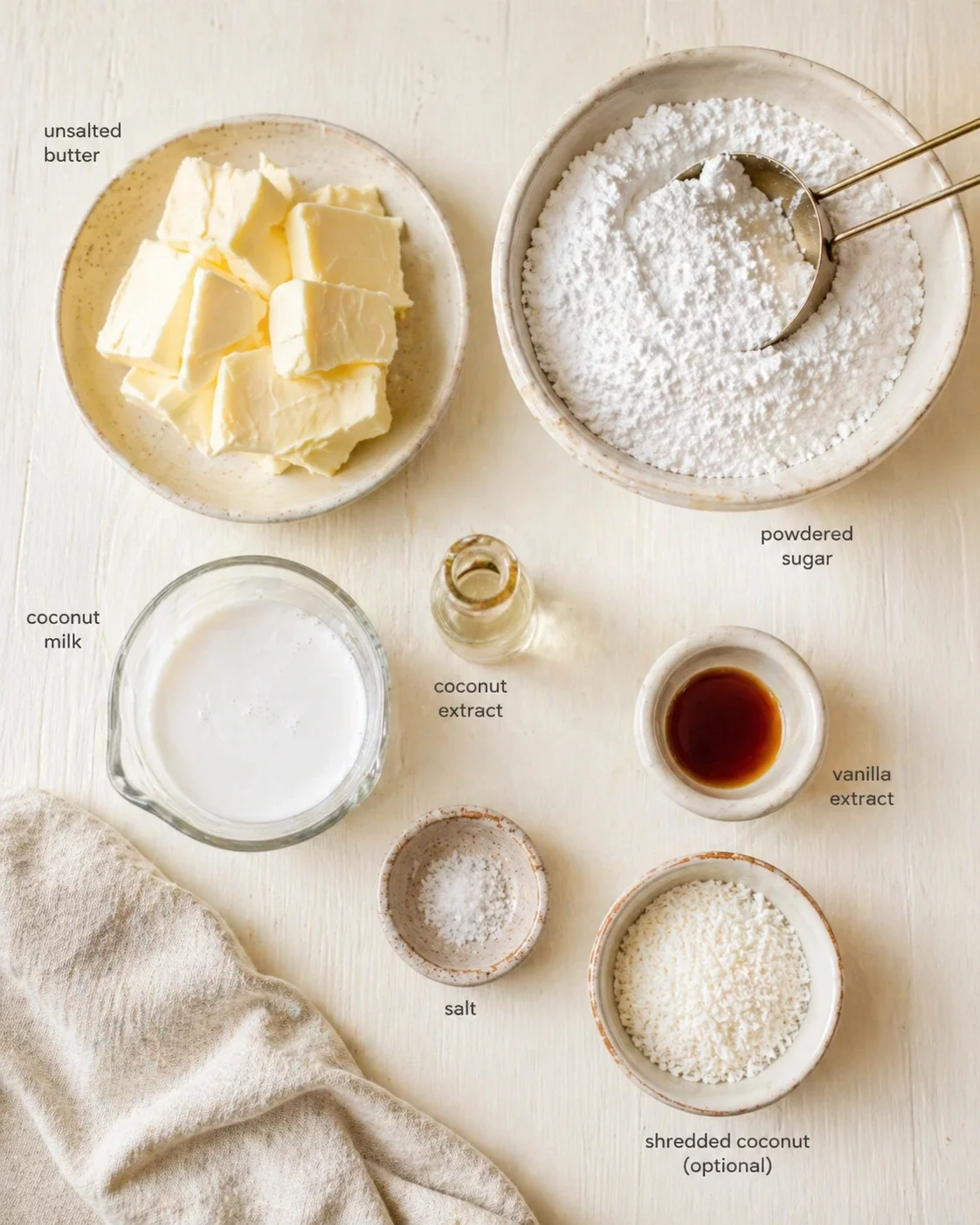
- 1 cup (226 g) unsalted butter, softened to room temperature
- 4 cups (480 g) powdered sugar, sifted
- 2–3 tablespoons full-fat coconut milk
- 1 teaspoon pure coconut extract
- ½ teaspoon pure vanilla extract
- Pinch of salt
- Optional: ¼ cup finely shredded sweetened or unsweetened coconut
Step by Step Frosting Method
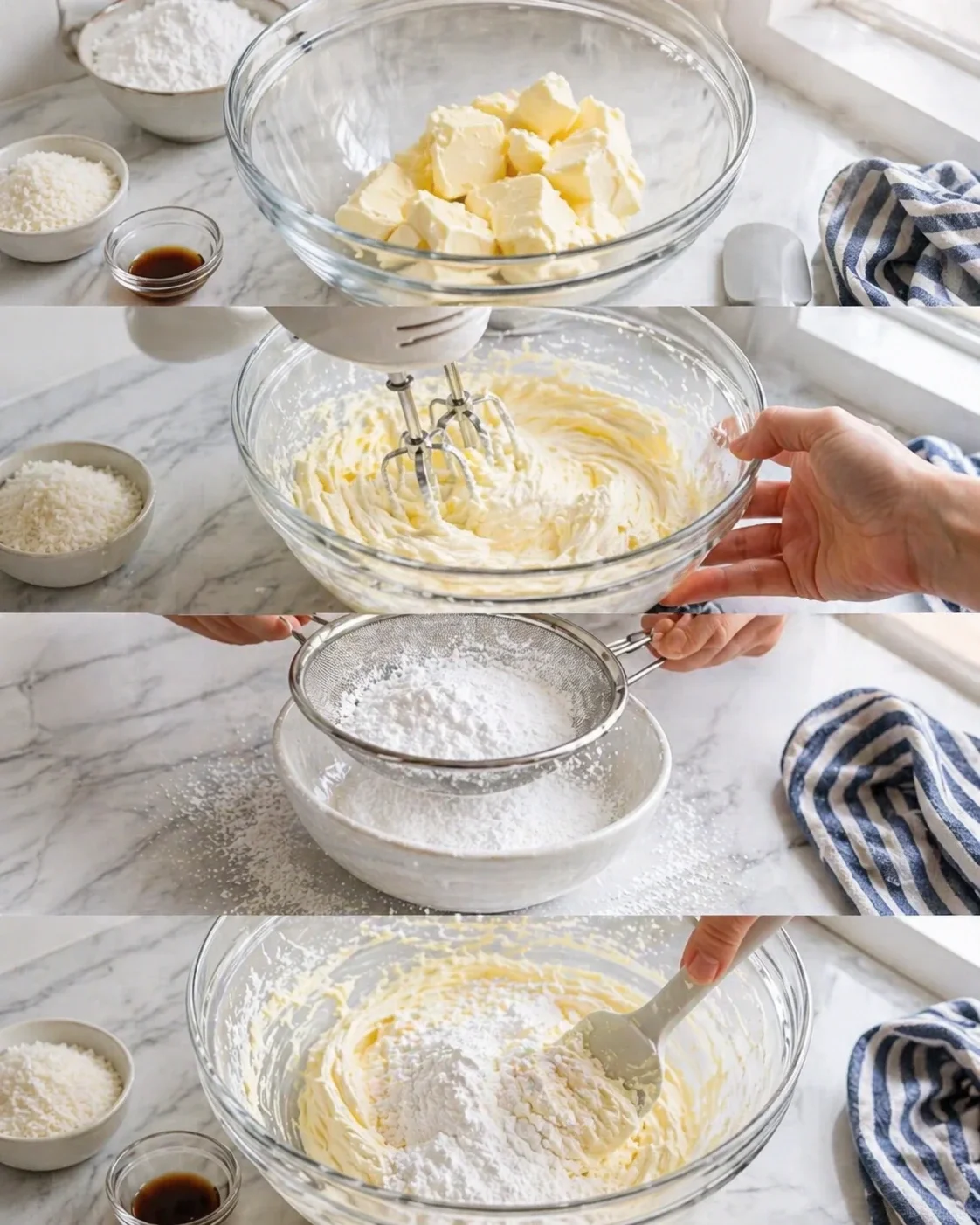
- Place 1 cup (226 g) softened unsalted butter in a large mixing bowl.
- Beat the butter on medium speed for 2–3 minutes until pale and fluffy.
- Sift 4 cups (480 g) powdered sugar.
-
Add the sifted powdered sugar gradually, about 1 cup at a time, mixing on low speed at first then increasing to medium; scrape down the bowl sides and bottom between additions.
- Pour in 2 tablespoons full‑fat coconut milk, add 1 teaspoon pure coconut extract, 1/2 teaspoon vanilla extract, and a pinch of salt.
- Beat on medium‑high speed for 2–3 minutes until the frosting is smooth and creamy.
- Taste and, if desired, add up to an extra 1/4 teaspoon coconut extract and mix to combine.
-
If the frosting is too thick, add up to 1 additional tablespoon coconut milk; if too soft, add powdered sugar 1 tablespoon at a time until desired consistency.
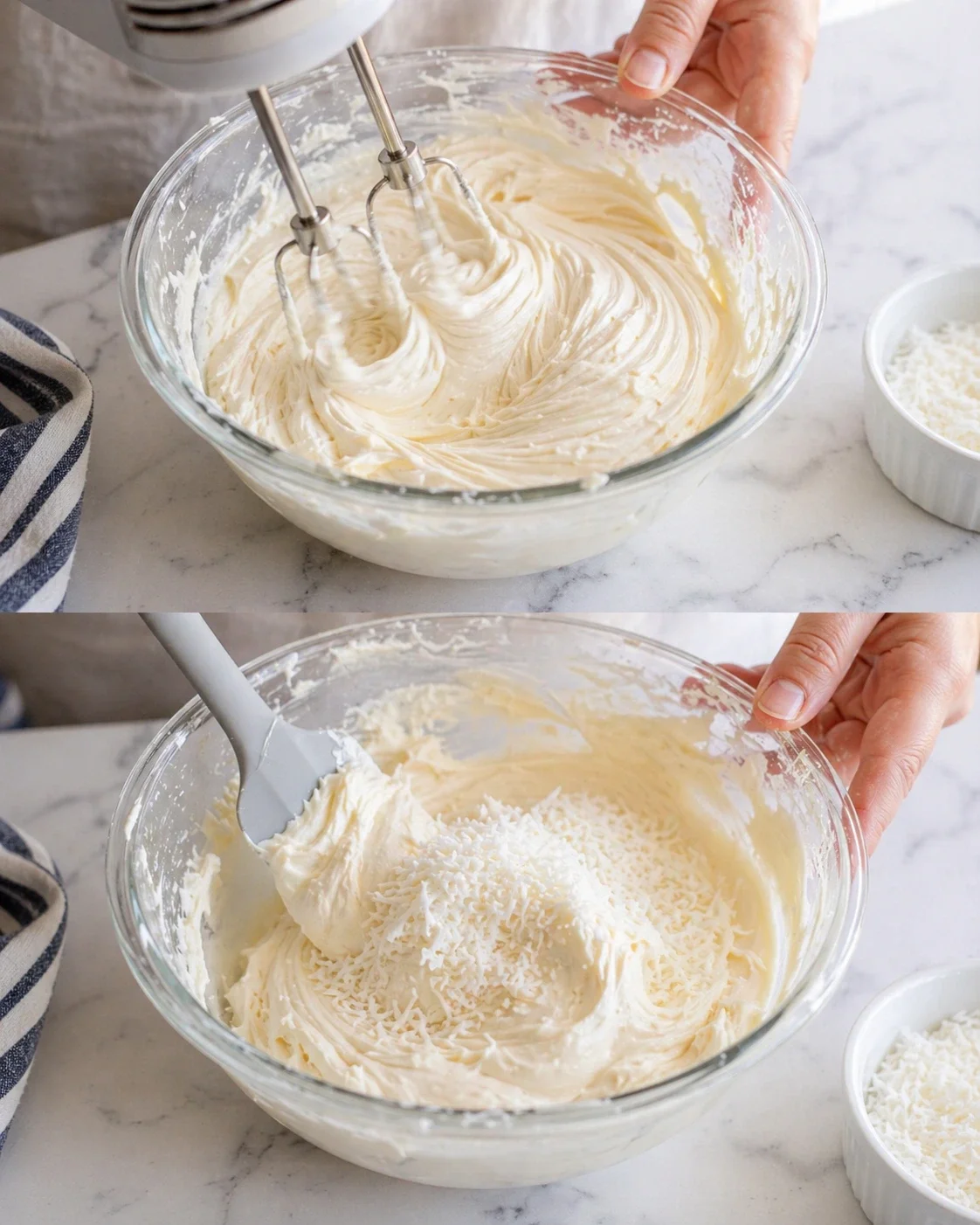
- Turn the mixer to medium‑high and whip for another 2 minutes until airy, smooth, and spreadable.
-
Gently fold in up to 1/4 cup finely shredded coconut if using.
Texture and Troubleshooting Tips
Your frosting should hold a soft peak when you lift the beaters—light, but firm. It needs to spread easily without pulling crumbs from your cake layers.
If it feels too stiff or dull, add a splash more coconut milk to soften it up. Too shiny and loose? Mix in a spoonful of powdered sugar to firm it back up.
I pay close attention to texture, more than just timing. Feeling your frosting with your hand or spatula will tell you way more than the clock.
If it tastes too sweet, add a pinch of salt and whip it again. Salt resets and balances the sweetness quickly.
If the frosting looks grainy, don’t rush—beat it longer to help the powdered sugar fully dissolve and smooth out.
If your frosting softens too much during decorating, pop it in the fridge for 10 minutes to firm up. I use this trick especially with taller coconut layer cakes like this Fluffy & Moist Coconut Cake where the frosting needs extra support.
Flavor Twists and Substitutions
Swap out 1 tablespoon of the coconut milk for coconut cream if you want a richer, thicker buttercream. That small change makes it a little more luxurious.
Add a quarter cup of finely shredded coconut at the end for some chew and visual interest. It adds texture without sacrificing workability too much.
For a lighter style, reduce the powdered sugar by half a cup and whip a bit longer for a softer, less dense finish.
This frosting is amazing thickly spread over coconut layer cake (or even a Pineapple Coconut Dream Cake). Or try piping it on vanilla cupcakes and topping with toasted coconut flakes.
It’s also lovely between chocolate cake layers to add tropical contrast. Or swirl it simply and high on a vanilla sheet cake for easy crowd-pleasing beauty.
Storing and Refreshing Frosting
Keep your homemade coconut buttercream in an airtight container in the fridge for up to five days. Before using, bring it to room temperature and give it a quick whip to refresh the texture.
Having butter at just the right room temp makes a big difference—cool but soft butter holds structure best.
Using clean beaters helps get nice, smooth swirls—like the vivid piping on these rainbow buttercream Easter cupcakes. I learned this the hard way after rushing once and ending up with messy frosting!
Sifting the powdered sugar is a small step that saves you so much time fixing lumps later. Totally worth it.
Common Questions Answered
-
Is this frosting dairy‑free?
No, this recipe uses unsalted butter as the base, so it’s not dairy-free. If you need a dairy-free option, you’ll want to try a plant-based butter that’s stable and test how it holds up because texture can change.
-
Can I use light coconut milk or regular milk instead of full‑fat coconut milk?
I recommend full-fat coconut milk because it adds body and real coconut flavor without thinning the frosting. Light coconut milk or regular dairy milk might make the frosting weaker and change the texture, so you’d probably need to tweak the powdered sugar to get it right.
-
How much coconut extract should I use?
Start with 1 teaspoon of pure coconut extract, then taste and add up to an extra ¼ teaspoon if you want more punch. Always use pure extract for the best flavor.
-
Why does my frosting taste too sweet or too grainy?
If it’s too sweet, add a pinch of salt and whip again to balance the flavors. If it’s grainy, keep beating—the powdered sugar needs time to fully melt into the butter for a smooth finish.
-
My frosting is too soft or too stiff—how do I fix it?
If it’s too soft, add powdered sugar one tablespoon at a time or chill the frosting for 10–15 minutes before decorating. If it’s too stiff, mix in a teaspoon or two of full-fat coconut milk until it spreads nicely.
-
Can I pipe this frosting?
Absolutely! This frosting pipes well and holds nice ridges. If it softens as you pipe, pop it in the fridge for 10–15 minutes to firm up, then rewhip it for a minute or two before continuing.
-
Can I fold shredded coconut into the frosting?
Yes! Fold in up to ¼ cup finely shredded coconut (sweetened or unsweetened) at the end for some texture and pretty detail without losing too much pipeability.
-
How should I store the frosting?
Store it in an airtight container in your fridge for up to five days. When you’re ready, bring it to room temperature and re-whip for a minute or two to bring back that smooth, fluffy texture.
-
Can I use this between cake layers as a filling?
Yes! The buttercream base holds up well as a filling. For an extra rich or thicker layer, swap out 1 tablespoon of coconut milk for a bit of coconut cream like I mentioned earlier. For a bright, fruit-forward contrast that still stays light, add a thin layer of raspberry mousse filling for cakes between cake layers.
-
Is there anything I should do to get the light, whipped texture the recipe describes?
Yes! Cream the butter for a solid 2–3 minutes until pale and fluffy, add powdered sugar slowly, and finish by whipping on medium-high speed for another 2–3 minutes. That air incorporation is what makes it light and not dense.
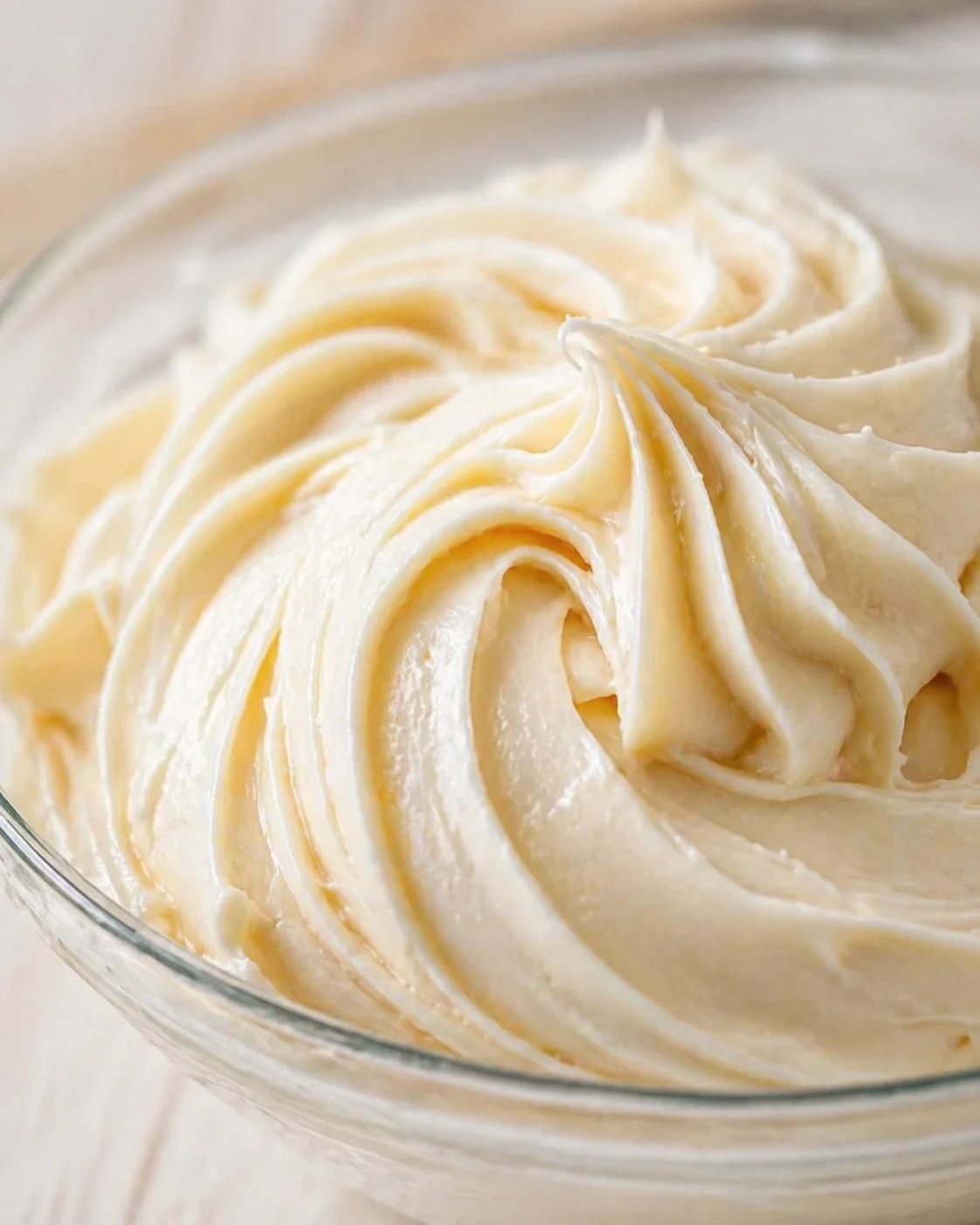
A smooth, fluffy coconut buttercream made from butter, powdered sugar, full-fat coconut milk, and coconut extract. Perfect for layering cakes, cupcakes, and coconut desserts with a light, pipeable texture.
- Prep Time: 15 minutes
- Cook Time: 0 minutes
- Total Time: 15 minutes
- Yield: About 3 to 4 cups of frosting (serves approximately 12 to 16 depending on usage) 1x
- Category: Dessert
Ingredients
- 1 cup (226 g) unsalted butter, softened to room temperature
- 4 cups (480 g) powdered sugar, sifted
- 2–3 tablespoons full-fat coconut milk
- 1 teaspoon pure coconut extract
- ½ teaspoon pure vanilla extract
- Pinch of salt
- Optional: ¼ cup finely shredded sweetened or unsweetened coconut
Instructions
- Place 1 cup (226 g) softened unsalted butter in a large mixing bowl.
- Beat the butter on medium speed for 2–3 minutes until pale and fluffy.
- Sift 4 cups (480 g) powdered sugar.
- Add the sifted powdered sugar gradually, about 1 cup at a time, mixing on low speed at first then increasing to medium; scrape down the bowl sides and bottom between additions.
- Pour in 2 tablespoons full-fat coconut milk, add 1 teaspoon pure coconut extract, ½ teaspoon vanilla extract, and a pinch of salt.
- Beat on medium-high speed for 2–3 minutes until the frosting is smooth and creamy.
- Taste and, if desired, add up to an extra ¼ teaspoon coconut extract and mix to combine.
- If the frosting is too thick, add up to 1 additional tablespoon coconut milk; if too soft, add powdered sugar 1 tablespoon at a time until desired consistency.
- Turn the mixer to medium-high and whip for another 2 minutes until airy, smooth, and spreadable.
- Gently fold in up to ¼ cup finely shredded coconut if using.
Notes
Frosting should hold a soft peak, spread easily without pulling cake crumbs., If too stiff, add coconut milk; if too shiny or loose, add powdered sugar., If too sweet, add a pinch of salt and whip again., Beat longer if grainy to dissolve sugar fully., Chill frosting 10-15 minutes to firm if softening during decorating., For richer frosting, substitute 1 tablespoon coconut milk with coconut cream., Store in airtight container in fridge up to 5 days, bring to room temp and re-whip before use., Use pure coconut extract for best flavor; imitation extracts can taste flat or bitter., Can pipe and hold ridges nicely; chill if softening during piping.
Nutrition
- Serving Size: Approximately 2 tablespoons
- Calories: Approximately 110 calories per 2 tablespoon serving
- Fat: 7 g per serving
- Carbohydrates: 15 g per serving
- Protein: <1 g per serving
More in Uncategorized

Crock Pot Chicken and Rice Recipe

Crock-Pot Chicken Noodle Soup

Slow Cooker Hearty Chicken Soup.