Citrus Sour Cream Cake – Moist Lemon Orange Sour Cream Cake – Emma’s Cake Studio

This citrus sour cream cake is the kind of layered dessert that feels bright and fresh without being too sharp, and rich without weighing you down. The sour cream keeps the cake crumb tender and soft, while the mix of citrus adds a lively, refreshing touch that makes this cake lighter than your typical vanilla or butter cake.
It’s perfect for spring get-togethers, brunches, Easter celebrations, or whenever you want a dessert that’s cheerful and polished but not fussy. The cake has the cozy softness we love in a sour cream cake, with zesty hints of lemon, lime, and orange that keep each bite fresh and exciting.
This citrus sour cream cake is an approachable, crowd-pleasing layer cake that feels bright and refreshing without a sharp bite, and soft without heaviness. It’s built on a tender sour cream crumb and topped with a smooth, creamy, slightly tangy frosting. The mix of lemon, orange, and lime brings a balanced, polished flavor that shines at spring brunches, baby showers, or holiday dessert tables.
- Flavor: A lively blend of lemon, orange, and lime zest and juice—bright but perfectly balanced, never overpowering.
- Texture: The sour cream keeps the cake moist and tender so slices cut cleanly and stay fresh the next day.
- Frosting: A luscious butter and cream cheese frosting with sour cream and a splash of citrus that rounds out the sweetness.
- Time & yield: You’ll spend about 25 minutes prepping, 30 minutes baking, plus 45 minutes for cooling and assembling. The cake makes roughly 12 slices.
- Skill level: No fancy tricks here—just simple creaming, folding, and putting it all together. It’s perfect for any home baker who wants a showstopper without stress.
Keep reading for the full ingredient list, detailed step-by-step instructions, and finishing tips to make sure your cake looks and tastes fantastic—plus handy variations and storage info if you’d like to tweak it to fit your needs.
Why the Texture and Citrus Shine
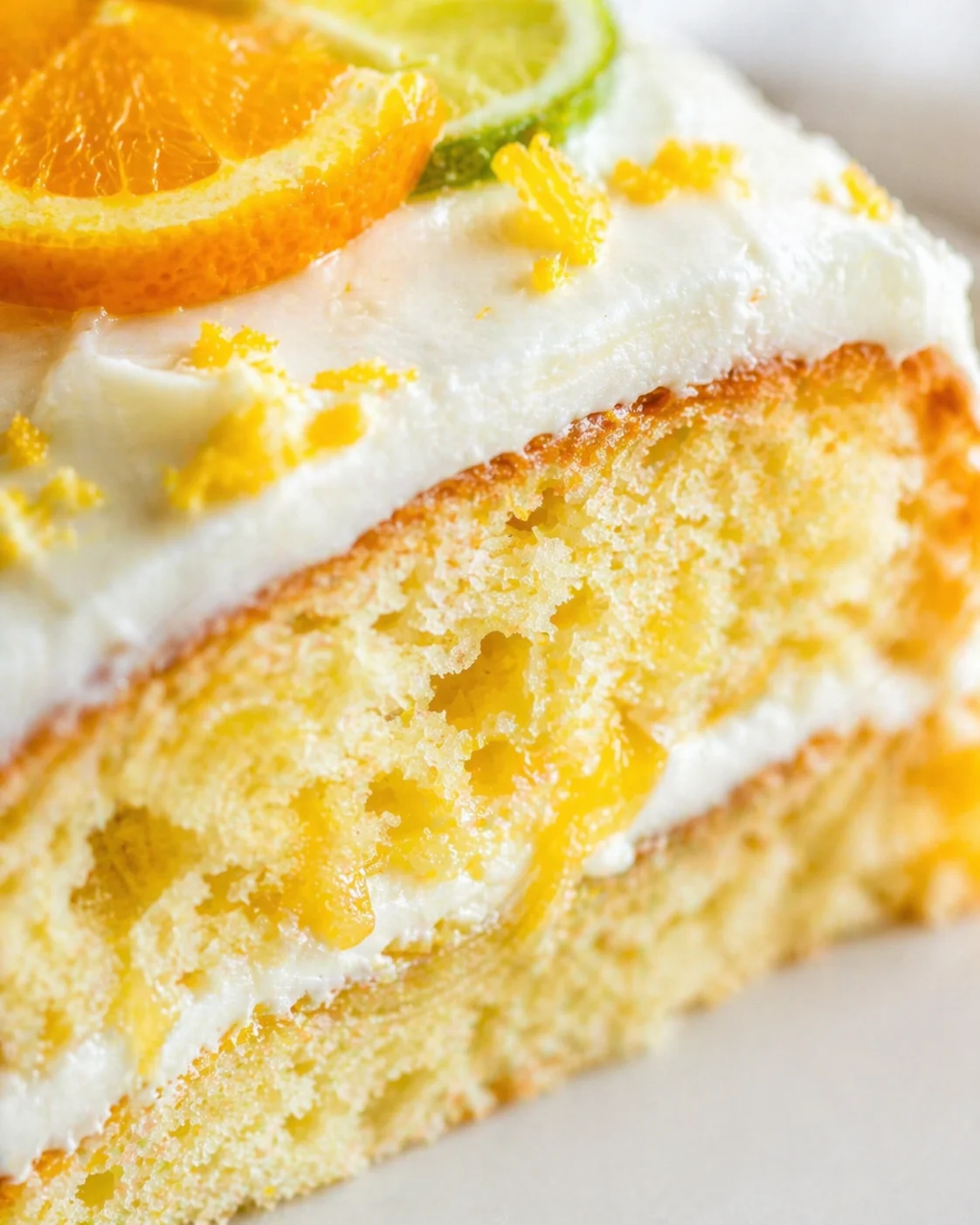
This cake really shines because of its soft crumb. The sour cream is the secret to keeping the cake moist and tender while softening the richness just right. A well-made sour cream cake slices beautifully, stays fluffy, and never dries out the next day.
The citrus plays a key role to brighten things up. Instead of a plain sweet cake, this one gets zing from a combo of lemon, lime, and orange—much like this 6-inch sunshine citrus cake. Using multiple citrus flavors adds depth and complexity, making the taste feel richer and more thoughtful than a simple lemon cake.
Balancing the citrus and dairy is the trick. Too little citrus and the cake feels dull and common. Too much, and it starts to taste sharp rather than fresh. The sour cream creates a smooth cushion that lets you push the bright flavors without losing the soft cake texture you expect.
Because of this balance, the flavor feels natural and well-rounded. The citrus lifts and brightens, while the sour cream keeps it grounded and moist. You get a cake that’s moist, fresh, and elegant all at once.
This cake is surprisingly versatile—it stands out at spring and summer occasions but also feels just right when you want a lighter dessert after a heavier meal. Because of its bright flavor and tender crumb, it’s a hit at everything from brunches and showers to birthdays and holiday feasts.
In short, this citrus sour cream cake is a moist, tender sour cream cake base dressed up with lively lemon and orange flavors and a smooth, creamy finish. It’s easy to love and easy to serve, perfect whether your gathering is casual or a bit more dressed up.
Save this recipe for your next craving for a moist citrus cake with a soft crumb, fresh lemon and orange notes, and a smooth finish that’s a breath of fresh air in spring baking. If you try it, I’d love to hear if it made an appearance at brunch, a holiday feast, or just your weekend dessert table!
Prep Time 25 minutes
Cook Time 30 minutes
Additional Time 45 minutes
Total Time 1 hour 40 minutes
Ingredients
- FOR THE CAKE
- 2 ½ cups all-purpose flour
- 2 ½ teaspoons baking powder
- ½ teaspoon baking soda
- ½ teaspoon salt
- 1 cup unsalted butter, softened
- 1 ¾ cups granulated sugar
- 4 large eggs
- 1 cup sour cream
- ¼ cup milk
- Zest of 1 lemon
- Zest of 1 orange
- Zest of 1 lime
- 2 tablespoons fresh lemon juice
- 2 tablespoons fresh orange juice
- 1 teaspoon vanilla extract
- FOR THE FROSTING
- 1 cup unsalted butter, softened
- 3–4 cups powdered sugar
- 4 oz cream cheese, softened
- 2 tablespoons sour cream
- 1 teaspoon vanilla extract
- 1–2 tablespoons mixed citrus juice (lemon and orange)
- FOR GARNISH
- Thin slices of lemon, lime, and orange
- Extra citrus zest
Can’t eat this recipe as written?
Make it gluten-free, vegan, dairy-free, keto, nut-free or egg-free. With every ratio and baking adjustment figured out for you.
Hands Free Mode:
Prevent screen from sleeping
Instructions
- PREPARE THE PANS: Heat your oven to 350°F (175°C). Grease two 8-inch round cake pans and line the bottoms with parchment paper so the cakes come out easily.
MIX THE DRY INGREDIENTS: In a medium bowl, whisk together the flour, baking powder, baking soda, and salt until well blended, then set aside.
CREAM THE BUTTER AND SUGAR: In a large bowl, beat the softened butter and granulated sugar for about 3 to 4 minutes. The mixture should lighten in color and become fluffy—this step helps ensure a tender, soft cake.
ADD THE EGGS: Crack in the eggs one at a time, mixing well after each addition so the batter stays smooth and stable.
ADD THE WET INGREDIENTS: Stir in the sour cream, milk, lemon zest, orange zest, lime zest, lemon juice, orange juice, and vanilla extract until fully mixed. The batter might look a bit curdled at this point, but don’t worry—it’ll smooth out once you add the dry ingredients.
COMBINE WET AND DRY: Slowly add the dry flour mixture into the wet ingredients, folding gently and mixing just until everything comes together. Be careful not to overmix here, or your cake could turn dense.
BAKE THE CAKE: Pour the batter evenly into the two prepared pans. Bake for 25 to 30 minutes, until a toothpick inserted in the center comes out clean.
COOL THE CAKES: Let the cakes cool in the pans for 10 minutes, then flip them onto a wire rack to cool completely before frosting.
MAKE THE FROSTING: Beat the softened butter and cream cheese together until smooth. Gradually add powdered sugar, mixing as you go. Then add the sour cream, vanilla, and mixed citrus juice, and keep beating until the frosting is creamy and spreadable.
ASSEMBLE THE CAKE: Set one cake layer on your serving plate and spread a layer of frosting on top. Place the second layer over it and cover the top and all sides with frosting.
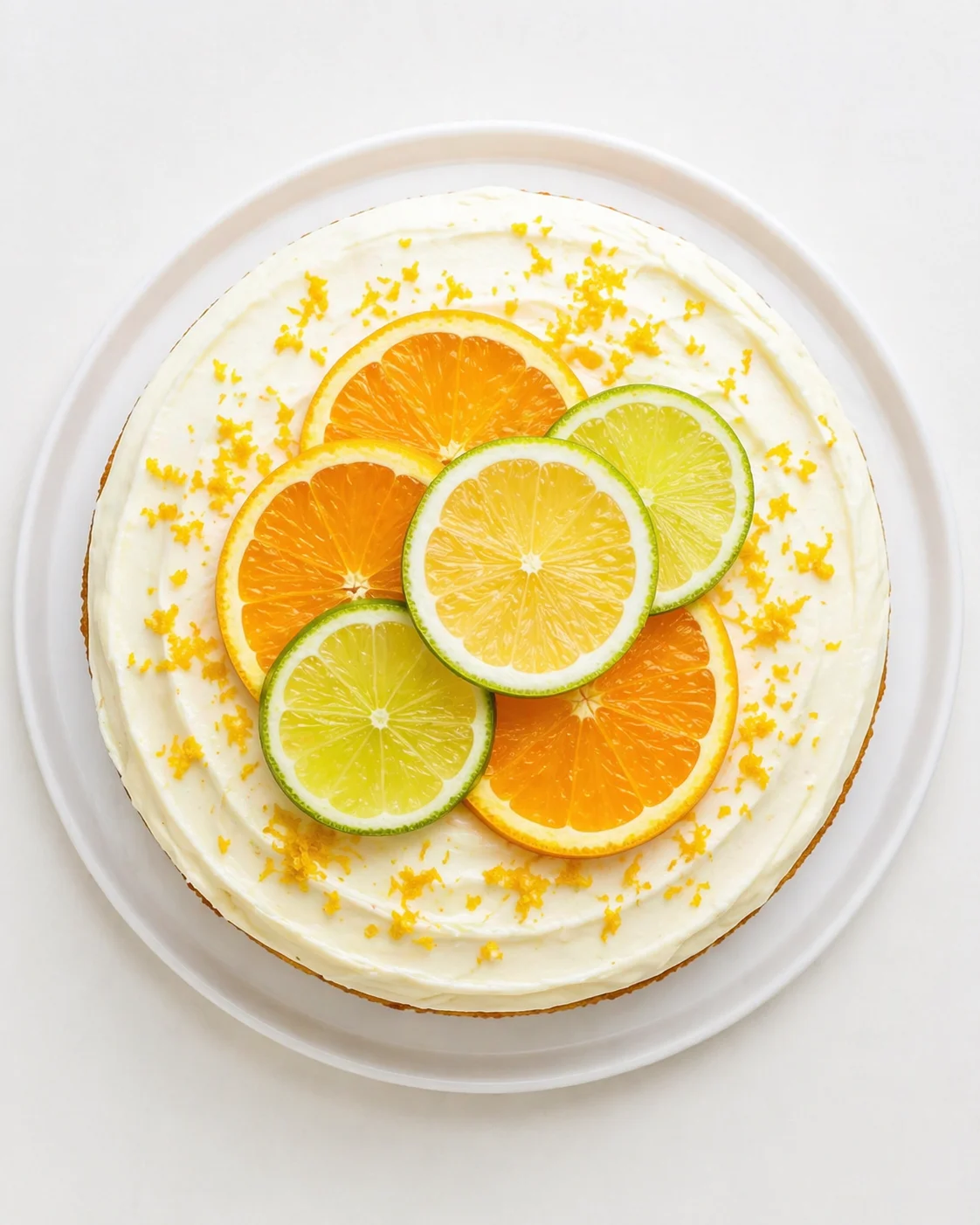
GARNISH AND FINISH: Decorate with thin slices of lemon, lime, and orange and sprinkle some extra zest on top to brighten things up. If needed, chill the cake briefly to firm up the frosting, then bring it to room temperature before slicing and serving for the best flavor and texture.
Notes
Use ingredients at room temperature for a smooth batter and even baking.
Be gentle and avoid overmixing once the flour is added to keep the crumb tender.
Adjust the powdered sugar in the frosting to suit your sweetness and thickness preference.
Store the cake in the fridge and let it warm up for about 30–60 minutes before serving to get the best texture.
Cake and Frosting Ingredients
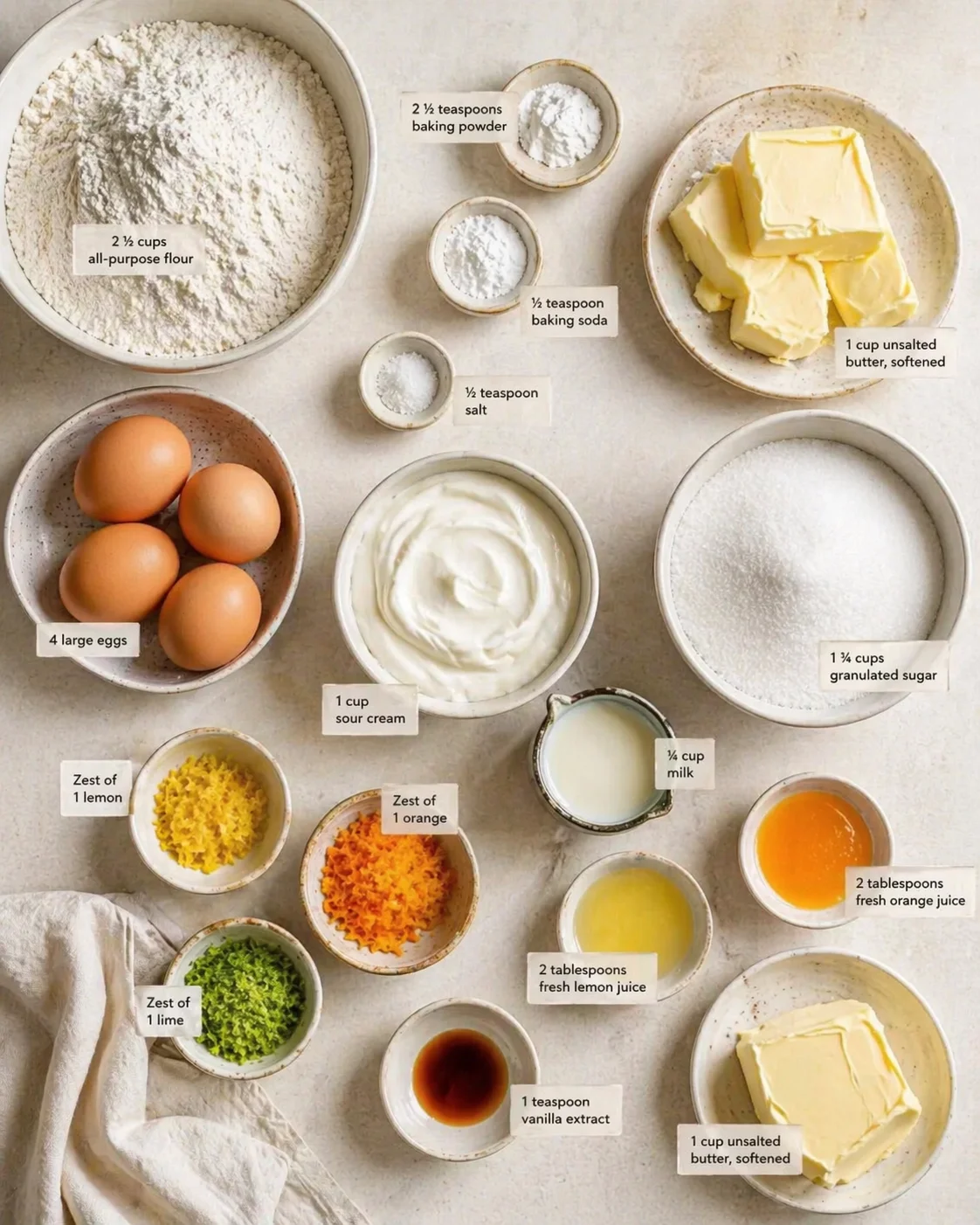
- 2 ½ cups all-purpose flour
- 2 ½ teaspoons baking powder
- ½ teaspoon baking soda
- ½ teaspoon salt
- 1 cup unsalted butter, softened
- 1 ¾ cups granulated sugar
- 4 large eggs
- 1 cup sour cream
- ¼ cup milk
- Zest of 1 lemon
- Zest of 1 orange
- Zest of 1 lime
- 2 tablespoons fresh lemon juice
- 2 tablespoons fresh orange juice
- 1 teaspoon vanilla extract
- 1 cup unsalted butter, softened
- 3–4 cups powdered sugar (adjust for sweetness/consistency)
- 4 oz cream cheese, softened
- 2 tablespoons sour cream
- 1 teaspoon vanilla extract
- 1–2 tablespoons mixed citrus juice (lemon and orange)
- Thin slices of lemon, lime, and orange
- Extra citrus zest
How to Bake and Assemble
- Preheat oven to 350°F (175°C); grease two 8-inch round cake pans, line bottoms with parchment paper, and lightly dust the sides with flour.
- Whisk together all-purpose flour, baking powder, baking soda, and salt in a medium bowl and set aside.
- Beat softened unsalted butter and granulated sugar in a large bowl until pale and fluffy, about 3–4 minutes.
-
Add eggs one at a time, beating well after each addition.
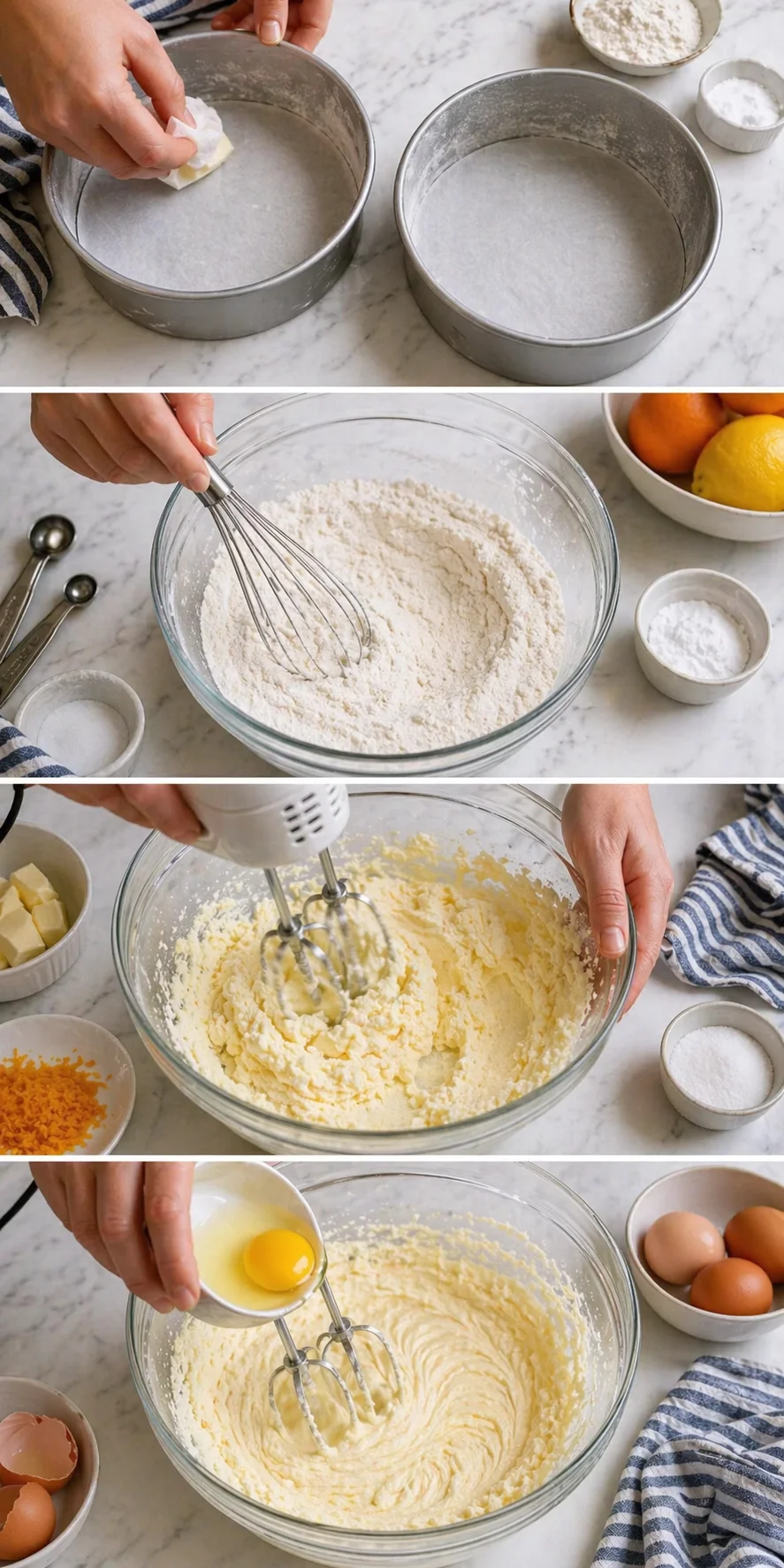
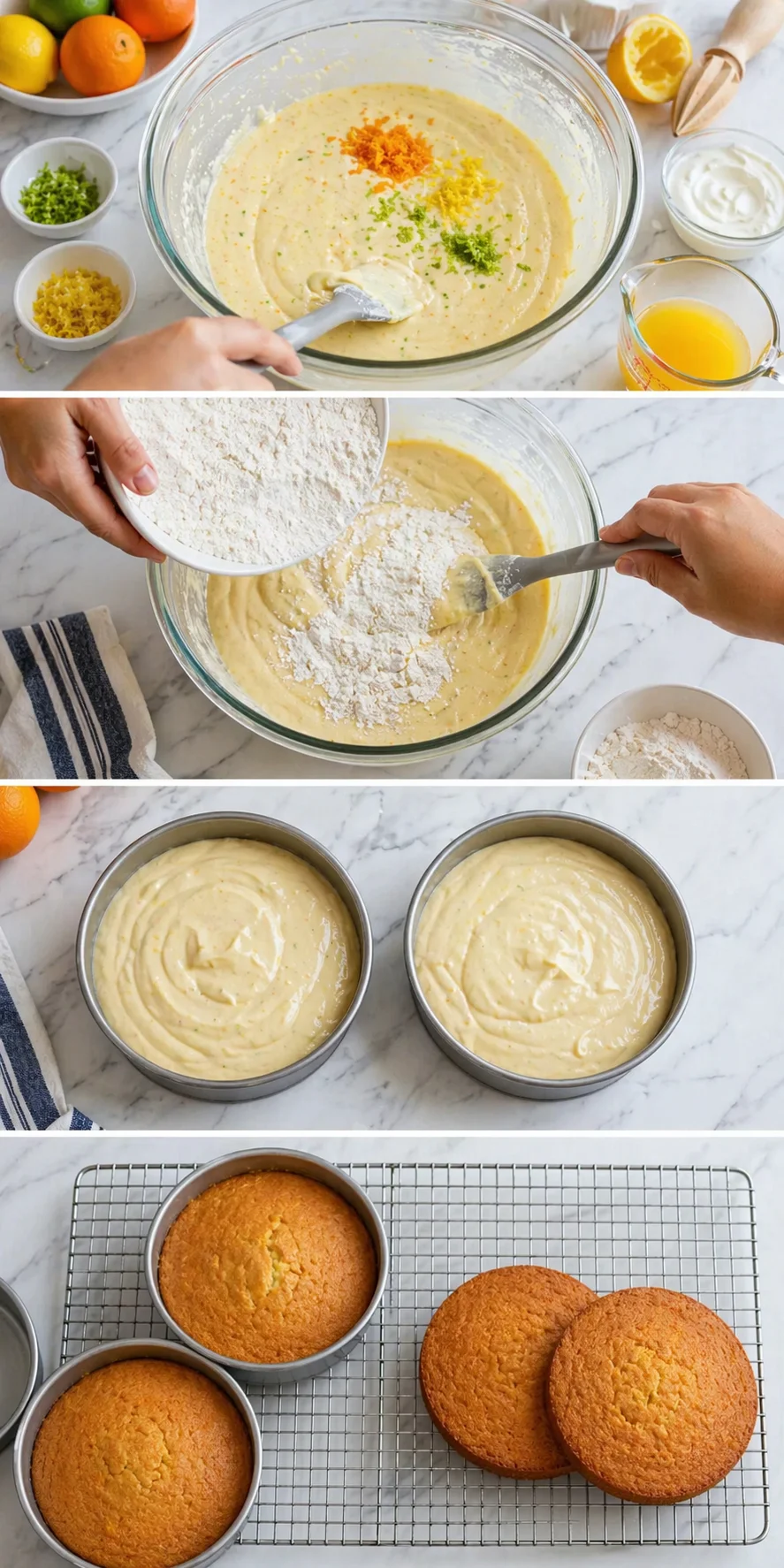
- Stir in sour cream, milk, lemon zest, orange zest, lime zest, lemon juice, orange juice, and vanilla until combined.
- Slowly add the dry flour mixture to the wet ingredients in two or three parts, folding gently and mixing just until combined; avoid overmixing.
- Divide the batter evenly between the prepared pans and bake 25–30 minutes, or until a toothpick inserted in the centers comes out clean.
-
Cool the cakes in the pans for 10 minutes, then turn them out onto a wire rack and cool completely before frosting.
- Beat softened butter and cream cheese until smooth, then gradually add powdered sugar while mixing.
- Add sour cream, vanilla, and mixed citrus juice to the frosting and beat until creamy and spreadable; adjust powdered sugar or citrus juice for desired consistency.
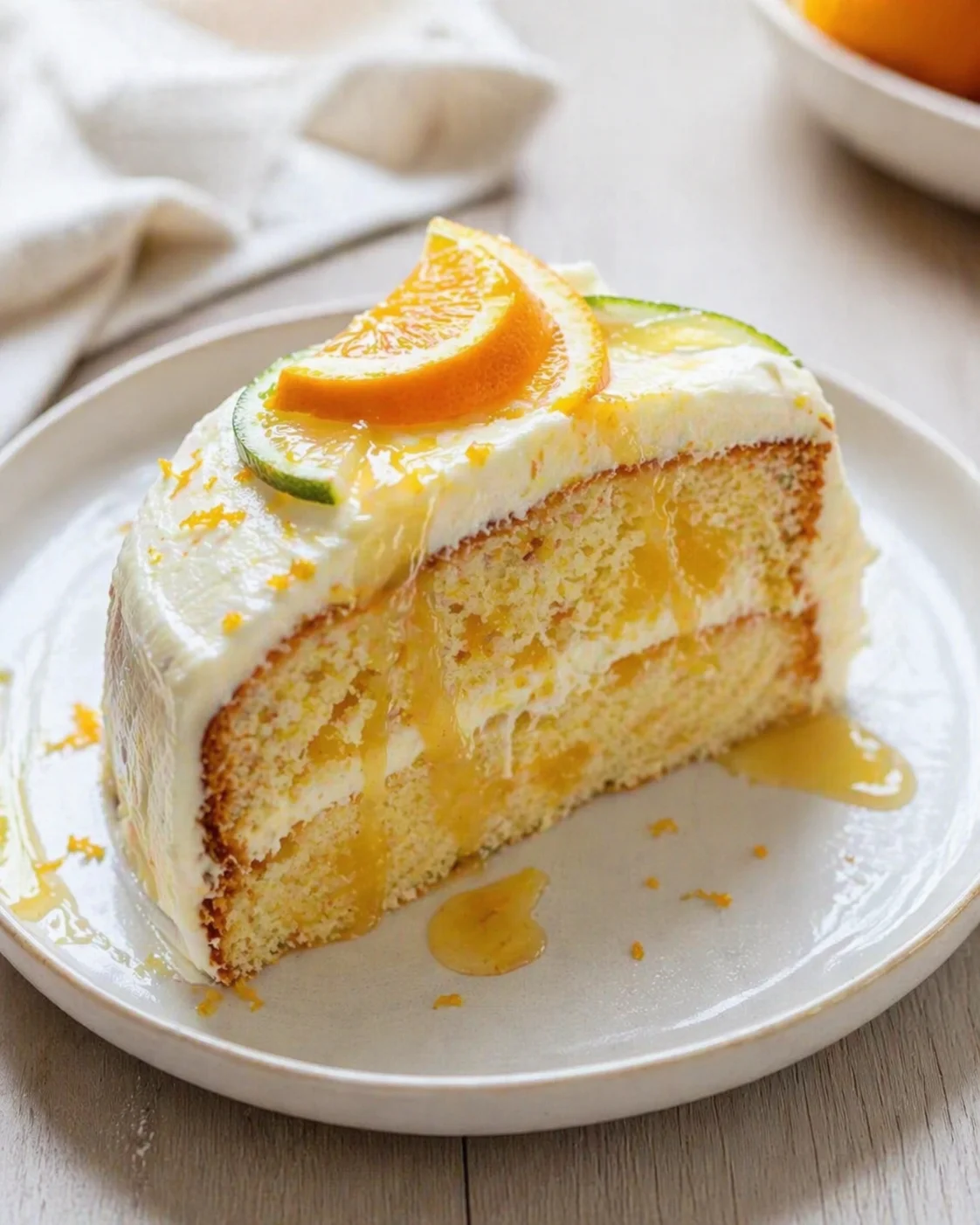
- Place one cake layer on a serving plate, spread a layer of frosting on top, set the second layer over it, then frost the top and sides evenly.
-
Decorate with thin slices of lemon, lime, and orange and sprinkle extra citrus zest; chill briefly if the frosting is soft, then bring the cake to room temperature before slicing.
Frosting Finishes and Serving Tips
The frosting here is key—it provides rich creaminess to balance the citrus and make the cake feel like a real treat without overwhelming sweetness. A whipped buttercream frosting works especially well for this balance. That balance is what makes a lemon orange or mixed citrus cake so crave-worthy and easy to go back for seconds.
If you’re layering this cake, letting the citrus shine visually adds to the fun. Think thin slices or bright zest accents on top—they hint at the fresh flavors before you even cut in.
These few little tips help you nail the final cake: use fresh citrus zest for maximum flavor, don’t overmix after adding the flour, and give the layers plenty of time to cool before frosting. For a deeper dive into keeping a lemon cake ultra-moist, see this moist lemon cake recipe for the techniques that matter most. That keeps the crumb tender and the citrus taste clean and bright.
Also, giving the finished cake a bit of rest before serving does wonders. The crumb settles nicely, the frosting sets up just right, and the citrus flavors blend beautifully instead of tasting separate.
Flavor Swaps and Add-Ins
- If you want to keep it simple, you can stick to just lemon or just orange zest and juice—just keep the total amount the same.
- For an extra citrus punch, add a splash (about ½ teaspoon) of lemon or orange extract to the batter or frosting. Use sparingly for best results.
- Try swapping up to half the butter for extra-virgin olive oil for a lighter crumb and subtle fruitiness. The texture will be a little different but still delicious.
- Add 1 to 2 tablespoons of poppy seeds to the batter for a fun, textured twist, or swap ½ teaspoon almond extract for some of the vanilla to change up the flavor.
- If you prefer a lighter frosting, swap out the cream cheese frosting for a simple lemon glaze made with powdered sugar and fresh lemon juice. For a quick look at glaze consistency and finish, see the vanilla glaze on our Soft Espresso Sour Cream Cookies.
- To make it gluten-free, use a 1:1 gluten-free all-purpose flour blend and follow the same instructions. The texture might vary slightly.
- For dairy-free or vegan versions, use plant-based butter and cream cheese alternatives, and swap sour cream with thick coconut yogurt or a similar dairy-free yogurt. You may need to adjust the liquid amounts slightly.
How to Store and Freeze
Because the frosting contains cream cheese and sour cream, this cake should be stored in the fridge.
- In the refrigerator: Keep your frosted cake covered in an airtight container or wrapped well with plastic wrap for up to 4 to 5 days. When you’re ready to serve, take slices out and let them come to room temperature for about 30 to 60 minutes for the best texture and flavor.
- Freezing: If you want to freeze unfrosted layers, wrap them tightly in plastic wrap and then foil. Freeze for up to 2 months. For a fully frosted cake, chill it uncovered just long enough to firm up the frosting, then wrap it gently and freeze for up to 1 month. Thaw frozen cake in the fridge overnight, then bring to room temperature before serving.
- Reheating slices: If you want to warm individual slices, microwave them for 8–12 seconds to take the chill off, or simply leave them on the counter to soften naturally.
Common Questions, Quick Answers
- Can I make this cake ahead of time? Absolutely! You can bake the cake layers a day or two in advance and keep them wrapped in the fridge (or frozen for longer storage). Frost the cake on the day you plan to serve for the freshest taste and best texture. If you’d like a similar citrus layer cake with bright berry notes, try our Lemon Blueberry Layer Cake.
- Can I use Greek yogurt instead of sour cream? Yes, full-fat Greek yogurt works as a great substitute and will give a similarly tender crumb with a nice tang. Use it in a 1:1 swap.
- How do I know when the cake is done baking? Insert a toothpick into the center of the cake—it should come out clean or with a few moist crumbs, but not wet batter. The top should spring back lightly when you touch it.
- My batter looked curdled after adding sour cream—is that normal? Not to worry! If your ingredients weren’t all at the same temperature, the batter can look a bit curdled. It will smooth out once you add the dry ingredients. To avoid this, make sure eggs and dairy are at room temperature before mixing.
- Can I reduce the sweetness of the frosting? Definitely. Start by using less powdered sugar, then taste and adjust. You can also add a bit more sour cream or a splash of lemon juice to balance out the sweetness if you want.
- How can I make this recipe gluten-free or vegan? For gluten-free, choose a trusted 1:1 gluten-free flour blend and bake as usual. For a vegan take, swap in plant-based butter, vegan cream cheese, and a thick dairy-free yogurt or coconut yogurt instead of sour cream. Texture and bake time might need slight adjustments.
More in Uncategorized

Crock Pot Chicken and Rice Recipe

Crock-Pot Chicken Noodle Soup

Slow Cooker Hearty Chicken Soup.